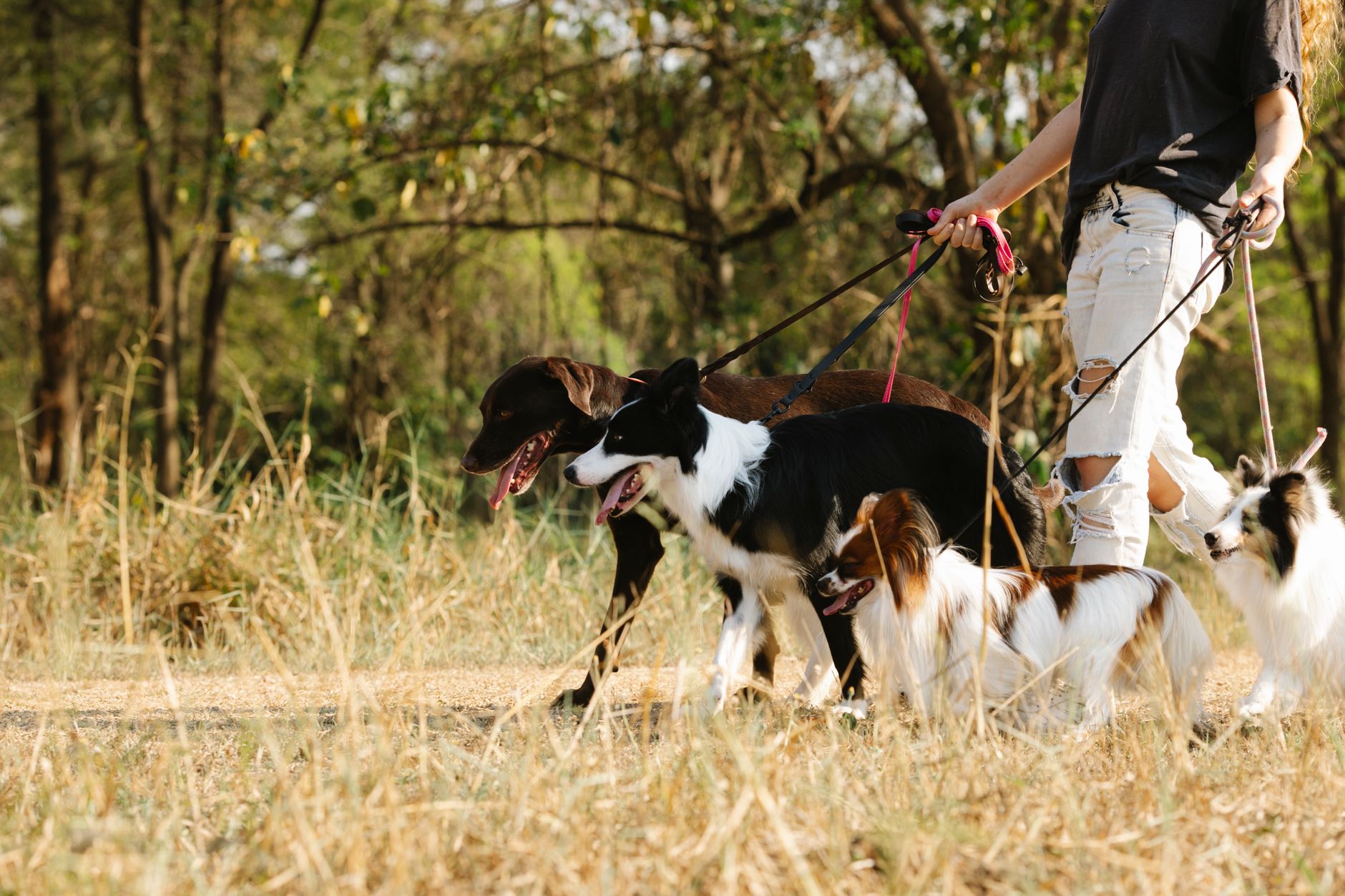
As a veterinarian and a lifelong advocate for canine well-being, few topics resonate with me as deeply as dog socialization. It's not just about your dog "playing nice" with others; it's a foundational pillar for a happy, confident, and well-adjusted life. A properly socialized dog is better equipped to handle the world around them, reducing stress, anxiety, and the likelihood of behavioral issues.
So, what exactly is dog socialization? It's the process of safely exposing your dog to a wide variety of people, places, sounds, sights, and other animals in a positive and controlled manner. The goal isn't necessarily for your dog to love every single dog or person they meet, but rather to teach them to be calm, confident, and comfortable in diverse situations, without exhibiting fear or aggression.
Why Dog Socialization is Non-Negotiable
Ignoring socialization can lead to a host of problems, from fear-based aggression to crippling anxiety. Conversely, prioritizing it unlocks numerous benefits for both you and your furry friend.
Prevents Behavioral Problems
Without adequate exposure to various stimuli, dogs can become fearful or anxious when confronted with new experiences. This fear often manifests as aggression (growling, barking, snapping), shyness, destructive behaviors, or excessive barking. A well-socialized dog is less likely to develop these issues because they learn that new things aren't necessarily threats, fostering a sense of security and adaptability.
Builds Confidence and Reduces Fear
Think of socialization as building your dog's emotional resilience. Each positive new experience, whether it's meeting a friendly stranger, walking past a bustling construction site, or hearing a loud clap of thunder, adds to their confidence bank. This reduces the likelihood of them becoming overwhelmed or frightened by everyday occurrences, allowing them to navigate life with greater ease and composure.
Enhances Safety
A dog that is comfortable with different people and environments is inherently safer. They are less likely to react negatively to a child reaching out, a veterinarian performing an examination, or an unexpected encounter with another dog. This not only protects others but also ensures your dog's safety by preventing situations where their fear or aggression could lead to injury or difficult consequences.
Fosters a Happier Life
Dogs are social creatures by nature. A well-socialized dog can enjoy a richer, more fulfilling life. They can accompany you to more places – parks, cafes, friends' homes – and participate in more activities without stress. This strengthens your bond, provides mental stimulation for your dog, and makes them a more enjoyable companion for everyone.

When and How to Start: The Critical Periods
Timing is crucial when it comes to socialization, but it's important to remember that it's an ongoing process throughout your dog's life.
Puppy Socialization: The Golden Window (3-16 weeks)
This period is the most critical for shaping a puppy's temperament and behavior. Their brains are highly impressionable, and positive experiences during this time can have a profound, lasting impact. Focus on:
* Safe Exposure to People: Introduce your puppy to a wide variety of people – men, women, children of different ages, people wearing hats, glasses, uniforms, people with different gaits or voices. Always supervise interactions, ensuring they are gentle and positive. Avoid overwhelming your puppy.
* Diverse Environments: Take your puppy to different places (once they have veterinary clearance and initial vaccinations). This could include quiet parks, pet-friendly stores, friends' homes, or even just sitting outside a coffee shop to observe. Expose them to different surfaces (grass, pavement, carpet, gravel) and sounds (traffic, vacuums, doorbells, children playing).
* Controlled Dog-Dog Interactions: Crucially, only introduce your puppy to healthy, fully vaccinated, calm, and well-behaved adult dogs. Avoid dog parks during this sensitive period, as interactions can be unpredictable. Puppy kindergarten classes are an excellent, safe, and structured environment for positive interactions.
* Gentle Handling: Regularly handle your puppy's paws, ears, mouth, and tail. This helps them become accustomed to touch, making vet visits and grooming much less stressful later on.
Socializing Adult Dogs: It's Never Too Late (But Different)
While the puppy window is ideal, it's never too late to work on an adult dog's socialization. The approach, however, needs to be more patient, gradual, and often requires professional guidance. For adult dogs, socialization is more about desensitization and counter-conditioning – changing their emotional response to something they perceive as threatening or scary.
* Assess Behavior: Understand your dog's current comfort level. Are they fearful? Reactive? Aggressive? This assessment will guide your strategy.
* Start Small and Positive: Begin with controlled, short, positive interactions. If your dog is reactive to other dogs, start with parallel walks at a distance where they can see the other dog without reacting. Gradually decrease the distance over many sessions, always rewarding calm behavior.
* Focus on One-on-One: Initial interactions with other dogs should be with a single, calm, known dog in a neutral, quiet environment. Avoid busy dog parks.
* Positive Reinforcement is Key: High-value treats and praise for calm behavior are essential. The goal is to create positive associations with previously scary or unknown stimuli.
* Consider Professional Help: For adult dogs with significant fear, anxiety, or aggression issues, consulting a certified professional dog trainer or a veterinary behaviorist is highly recommended. They can provide tailored plans and guide you through the process safely.
The "How-To" Guide for Successful Socialization
Regardless of your dog's age, the principles of positive and controlled exposure remain central to effective socialization.
Start with Controlled, Positive Experiences
Always prioritize quality over quantity. Short, positive sessions are far more effective than long, overwhelming ones. Introduce new things gradually, keeping your dog's comfort level in mind. Always end the session on a good note, before your dog becomes stressed or tired.
Expose Them to a Variety of Stimuli
Think broadly about what your dog might encounter in their life. This includes:
* People: Different ages, genders, ethnicities, sizes, clothing (hats, uniforms), movements (walking with a cane, jogging). Ask friendly strangers to offer a treat if your dog is comfortable.
* Environments: City streets, quiet neighborhoods, parks, pet stores, veterinary clinics (for happy visits), car rides, elevators, stairs.
* Sounds: Traffic, sirens, construction, children playing, doorbells, thunderstorms (play recordings quietly at first).
* Objects: Bicycles, skateboards, strollers, umbrellas, bags.
Introduce Other Dogs Safely
* Choose Wisely: Only allow interactions with dogs you know to be healthy, vaccinated, and have a good temperament. Avoid unknown dogs in uncontrolled settings initially.
* Neutral Territory: First introductions with new dogs are best done in a neutral area, like a park your dog doesn't frequent often, rather than your backyard.
* On-Leash First (Carefully): Start with parallel walks where dogs can observe each other from a comfortable distance. If they show positive interest, allow a brief, supervised sniff. Always keep leashes loose to avoid tension. Avoid nose-to-nose greetings on a tight leash, which can be confrontational.
* Off-Leash in Secure Areas: Once comfortable with on-leash greetings, move to a securely fenced area where they can interact off-leash. Watch body language for signs of stress or over-excitement, and intervene if needed.
Reward Calm and Positive Behavior
Every time your dog interacts calmly or shows curiosity rather than fear, reward them with high-value treats and praise. This positive reinforcement creates a strong association: "new things are good things that bring me rewards!" If your dog is nervous, simply being calm in the presence of a new stimulus is worth a reward.
Enroll in Training Classes
Puppy kindergarten, basic obedience, or even agility classes offer structured opportunities for socialization with other dogs and people in a controlled environment. A good instructor will ensure interactions are positive and teach you how to read your dog's body language.
Understand and Respect Your Dog's Limits
Never force your dog into a situation where they are clearly uncomfortable or overwhelmed. Learn to recognize signs of stress: lip licking, yawning (when not tired), averted gaze, whale eye (showing the whites of their eyes), tucked tail, flattened ears, rigid body, or panting excessively. If you see these signs, remove your dog from the situation and try again with less intensity later.
Common Socialization Mistakes to Avoid
Even with the best intentions, owners can sometimes make errors that hinder effective socialization.
Overwhelm and Forcing Interactions
Pushing a shy puppy into a crowded dog park or forcing an anxious adult dog to interact with a boisterous stranger can backfire, reinforcing their fears. Socialization should always be gradual and positive.
Ignoring Body Language
Missing your dog's subtle cues of discomfort can lead to escalation of fear or aggression. Learn what your dog is telling you with their posture, tail, ears, and eyes.
Only Socializing with One Type of Dog/Person
If your dog only ever meets small, fluffy dogs or only interacts with adult women, they may develop fear or reactivity towards large dogs, children, or men. Broaden their exposure safely.
Believing "They'll Figure It Out"
Socialization is not passive. It requires active, intentional effort from owners to create positive experiences. Simply taking your dog for walks isn't enough; you need to actively manage and reward their interactions with the world.

Conclusion
Dog socialization is a continuous journey, not a destination. It requires patience, consistency, and a deep understanding of your dog's individual needs and personality. By investing time and effort into proper socialization, you're not just creating a well-behaved pet; you're fostering a confident, resilient, and happy companion who can navigate the complexities of life by your side. Remember, a well-socialized dog is a joy to live with and a testament to your commitment to their overall well-being. Start today, stay consistent, and enjoy the many rewards of a truly social canine friend.