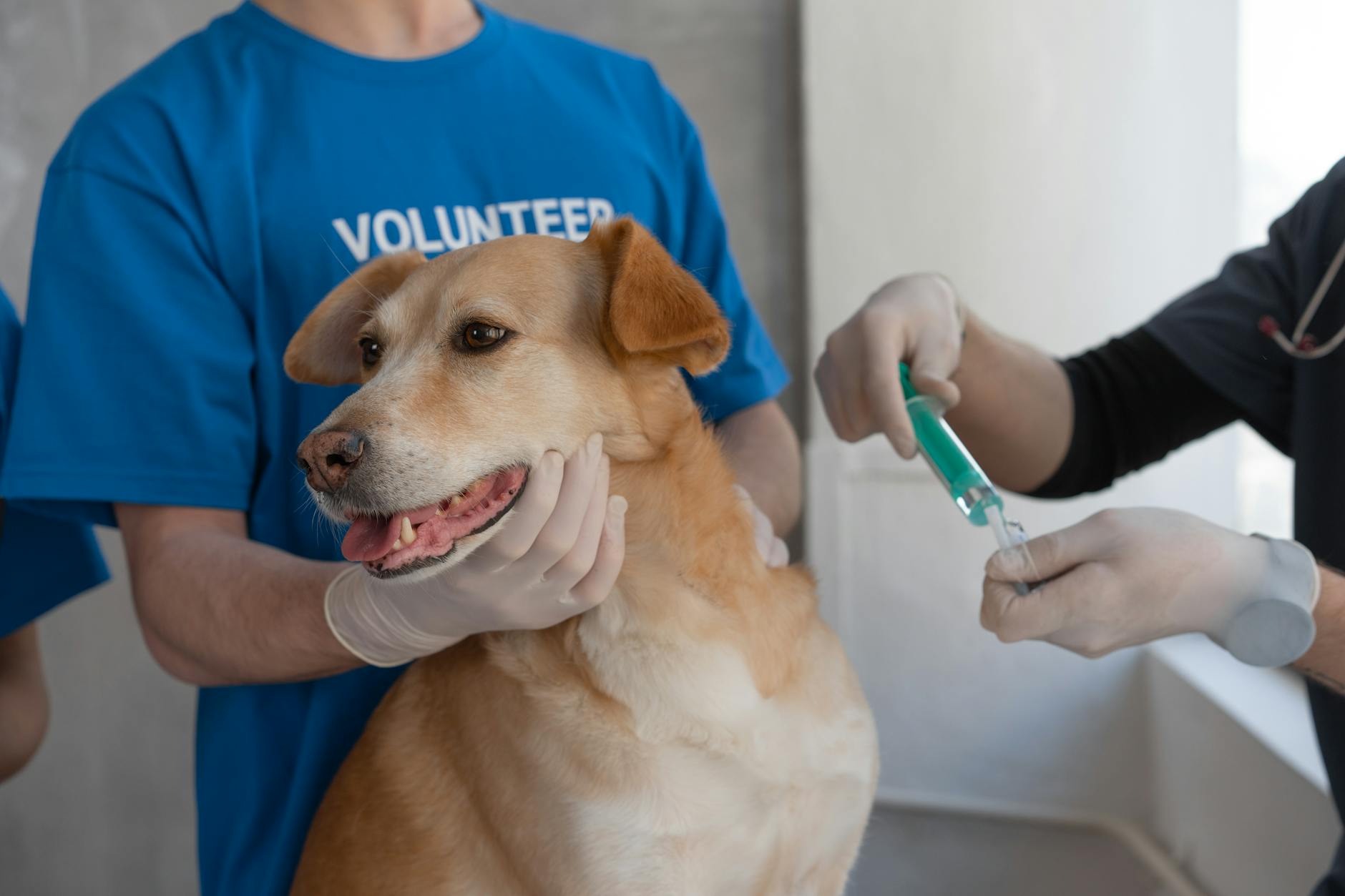
As a pet parent, your top priority is keeping your furry companions happy, healthy, and by your side for as long as possible. Among all the preventative healthcare measures available, vaccination is arguably the most powerful tool in your arsenal. Vaccines protect your beloved pets from highly contagious, life-threatening diseases and help prevent the spread of harmful infections within your local pet community.
Navigating the world of veterinary medicine can feel overwhelming, especially when confronted with lists of medical abbreviations like DHPP, FVRCP, and FeLV. Which shots are absolutely necessary? When should your puppy or kitten receive them? How often do adult pets need boosters?
In this comprehensive guide, we will break down the essential vaccines for dogs and cats, explain the critical difference between core and non-core vaccines, and provide an easy-to-follow schedule to help you stay on top of your pet's preventative care.
Core vs. Non-Core Vaccines: What is the Difference?
Before diving into the specific schedules, it is important to understand how veterinarians categorize vaccines. Not every pet needs every vaccine. Immunizations are divided into two main categories:
* Core Vaccines: These are considered essential for all pets, regardless of their lifestyle, geographic location, or breed. Core vaccines protect against highly contagious, severe, or fatal diseases that pose a significant threat to animal and, in some cases, human health (such as Rabies).
* Non-Core Vaccines: These are optional but highly recommended vaccines based on your pet's specific risk factors. Your veterinarian will evaluate your pet's lifestyle, environment, geographic region, and travel habits to determine if these are necessary. For example, a dog that frequently visits boarding groomers or hiking trails will need different non-core vaccines than an indoor-only cat.
Essential Vaccines for Dogs: The Complete Schedule
Keeping your canine companion protected starts in puppyhood and continues throughout their adult life. Here is a breakdown of the core and non-core vaccines your dog needs to thrive.
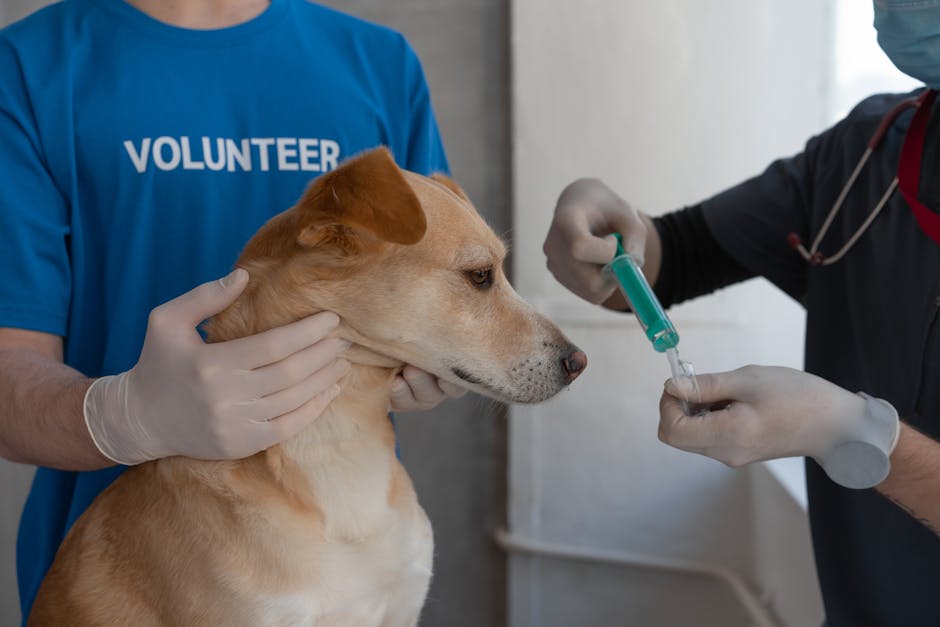
Core Canine Vaccines
* Rabies: This fatal viral disease attacks the central nervous system. It is zoonotic, meaning it can be transmitted from animals to humans. Because of this major public health risk, Rabies vaccination is required by law in most states and municipalities.
* DHPP (Distemper, Adenovirus/Hepatitis, Parvovirus, Parainfluenza): Often referred to as the "puppy shot" or "5-in-1 vaccine," this combination shot protects against four highly dangerous canine diseases. Canine Parvovirus, in particular, is an extremely contagious and often fatal gastrointestinal illness that primarily affects unvaccinated puppies.
Non-Core Canine Vaccines
* Bordetella bronchiseptica (Kennel Cough): Highly recommended for dogs that interact with other dogs at boarding facilities, dog parks, grooming salons, or training classes.
* Leptospirosis: This bacterial infection is spread through the urine of wildlife and can contaminate water sources. It can cause severe kidney and liver damage in dogs and is transmissible to humans. It is highly recommended for dogs that spend time outdoors or near standing water.
* Lyme Disease: Recommended for dogs living in or visiting tick-prone areas, especially in the Northeast, Mid-Atlantic, and Upper Midwest regions of the United States.
* Canine Influenza (H3N8 and H3N2): Protects against highly contagious respiratory viruses that spread rapidly in social dog environments.
The Canine Vaccination Schedule
To build strong immunity, puppies must undergo a series of booster shots starting at around 6 to 8 weeks of age. This is because maternal antibodies from the mother's milk gradually fade, leaving the puppy vulnerable.
* 6 to 8 Weeks: DHPP (first dose), Bordetella (optional)
* 10 to 12 Weeks: DHPP (second dose), Leptospirosis (first dose, optional), Lyme (first dose, optional)
* 14 to 16 Weeks: DHPP (third dose), Rabies (one dose), Leptospirosis (second dose, optional), Lyme (second dose, optional)
* 1 Year Booster: DHPP booster, Rabies booster (1-year or 3-year depending on local laws)
* Every 1 to 3 Years: DHPP booster (often every 3 years), Rabies booster (every 1 or 3 years), annual non-core boosters (Bordetella, Leptospirosis, Lyme) as recommended by your vet.
Essential Vaccines for Cats: The Complete Schedule
Even if your cat lives entirely indoors, vaccinations remain a crucial part of their healthcare plan. Some airborne viruses can easily enter your home on your clothes or shoes, and accidental escapes do happen.
Core Feline Vaccines
* Rabies: Just like in dogs, Rabies is 100% fatal to cats and transmissible to humans. Indoor cats still require this vaccine, as bats or other small wild animals can occasionally find their way into homes.
* FVRCP (Feline Viral Rhinotracheitis, Calicivirus, Panleukopenia): This core combination vaccine protects against highly contagious respiratory infections (Rhinotracheitis and Calicivirus) and feline distemper (Panleukopenia), a highly lethal virus that attacks rapidly dividing cells in the bone marrow and intestines.
Non-Core Feline Vaccines
* Feline Leukemia Virus (FeLV): FeLV is a retrovirus spread through close contact, grooming, and fighting. It weakens a cat's immune system and can cause cancer. The American Association of Feline Practitioners (AAFP) now recommends FeLV as a core vaccine for all kittens, but it remains non-core (highly recommended) for adult cats that spend any time outdoors or live with an FeLV-positive cat.
* Chlamydia felis and Bordetella: These are bacterial infections that cause upper respiratory tract issues, typically recommended for cats in multi-cat environments or shelters.
The Feline Vaccination Schedule
Similar to puppies, kittens need a series of immunizations to safely transition from maternal antibody protection to their own active immune defense.
* 6 to 8 Weeks: FVRCP (first dose)
* 10 to 12 Weeks: FVRCP (second dose), FeLV (first dose, highly recommended)
* 14 to 16 Weeks: FVRCP (third dose), Rabies (one dose), FeLV (second dose, highly recommended)
* 1 Year Booster: FVRCP booster, Rabies booster, FeLV booster (if outdoor/at-risk)
* Every 1 to 3 Years: FVRCP booster (every 3 years for low-risk cats), Rabies booster (every 1 or 3 years depending on local laws), annual FeLV booster for outdoor cats.
Vaccine Side Effects: What to Expect After the Vet Visit
It is completely natural to feel a bit anxious when bringing your pet in for their shots. Understanding what to expect can ease your mind and help you monitor their recovery.
Normal, Mild Reactions
Just like humans, pets can experience mild side effects after receiving a vaccine. These are normal signs that their immune system is actively responding to the vaccine and building protection. Mild symptoms typically resolve within 24 to 48 hours and include:
* Mild lethargy or sleepiness
* Slightly reduced appetite
* Mild soreness, swelling, or a small, firm lump at the injection site
Rare, Severe Reactions
While serious allergic reactions are rare (occurring in less than 1% of vaccinated pets), they require immediate veterinary attention. Contact your vet or an emergency clinic right away if you notice:
* Persistent vomiting or diarrhea
* Swelling of the muzzle, face, eyes, or ears (hives)
* Difficulty breathing or rapid, shallow breathing
* Severe lethargy or sudden collapse
Customizing Your Pet's Vaccine Protocol
There is no single "one-size-fits-all" vaccination plan. Your veterinarian is your best partner in designing a customized protocol tailored to your pet's age, breed, health status, and lifestyle. For instance, an elderly indoor cat may not need the same annual boosters as a young, active hunting dog.
By keeping up with your pet's vaccination schedule, you are not only protecting your own furry family members—you are contributing to the safety and health of all pets in your community. Take a moment today to check your pet's medical records or call your vet to ensure they are fully up-to-date!