As a veterinarian, one of the most common concerns I hear from pet parents is how to manage their cat's weight and energy levels. While keeping cats indoors is undeniably the safest choice—protecting them from infectious diseases, traffic, and predators—it does present a unique lifestyle challenge. Indoor environments can easily become sedentary, leading to boredom, behavioral issues, and physical ailments like feline obesity and diabetes.
To keep your feline friend thriving, physical activity is non-negotiable. Active cats are happier, healthier, and enjoy a much higher quality of life. In this comprehensive guide, we will explore practical, veterinarian-approved exercise tips for indoor cats that you can implement starting today.
Why Exercise is Crucial for Indoor Cats
Unlike their outdoor ancestors, indoor cats do not need to hunt for their meals, territory, or survival. While this pampered lifestyle is comfortable, it can lead to physical stagnation. Regular physical exercise is essential for several reasons:
* Weight Management: Obesity is the number one nutritional disease seen in veterinary clinics today. Excess weight puts immense stress on a cat's joints, heart, and metabolic systems, significantly increasing the risk of osteoarthritis, feline lower urinary tract disease (FLUTD), and Type 2 diabetes.
* Mental Stimulation: Cats are highly intelligent, curious creatures. Without adequate stimulation, they can develop chronic stress, depression, or anxiety. This often manifests in unwanted behaviors like destructive scratching, excessive meowing, or inappropriate elimination outside the litter box.
* Muscle Tone and Joint Flexibility: Regular movement keeps muscles strong and joints lubricated, which is especially important as your cat ages.
Understanding Your Cat's Natural Hunting Instincts
To successfully encourage your cat to exercise, you must understand their evolutionary biology. Cats are ambush predators. In the wild, their energy expenditure comes in short, intense bursts rather than long, sustained runs. Their natural daily rhythm is centered around the predatory sequence: Stalk, Chase, Pounce, Kill, Eat, Groom, Sleep.
When planning play sessions, your goal should be to mimic this sequence. Instead of simply leaving toys scattered on the floor (which your cat will quickly view as "dead" prey), you need to bring these toys to life. Moving a toy slowly around corners, pausing, and letting your cat stalk it replicates the thrill of the hunt, triggering their natural instincts and keeping them fully engaged.
Top Exercise Tips for Indoor Cats
Now that we understand the "why" and "how" behind feline movement, let's dive into actionable exercise tips for indoor cats to keep them active and healthy.
1. Interactive Wand Toys
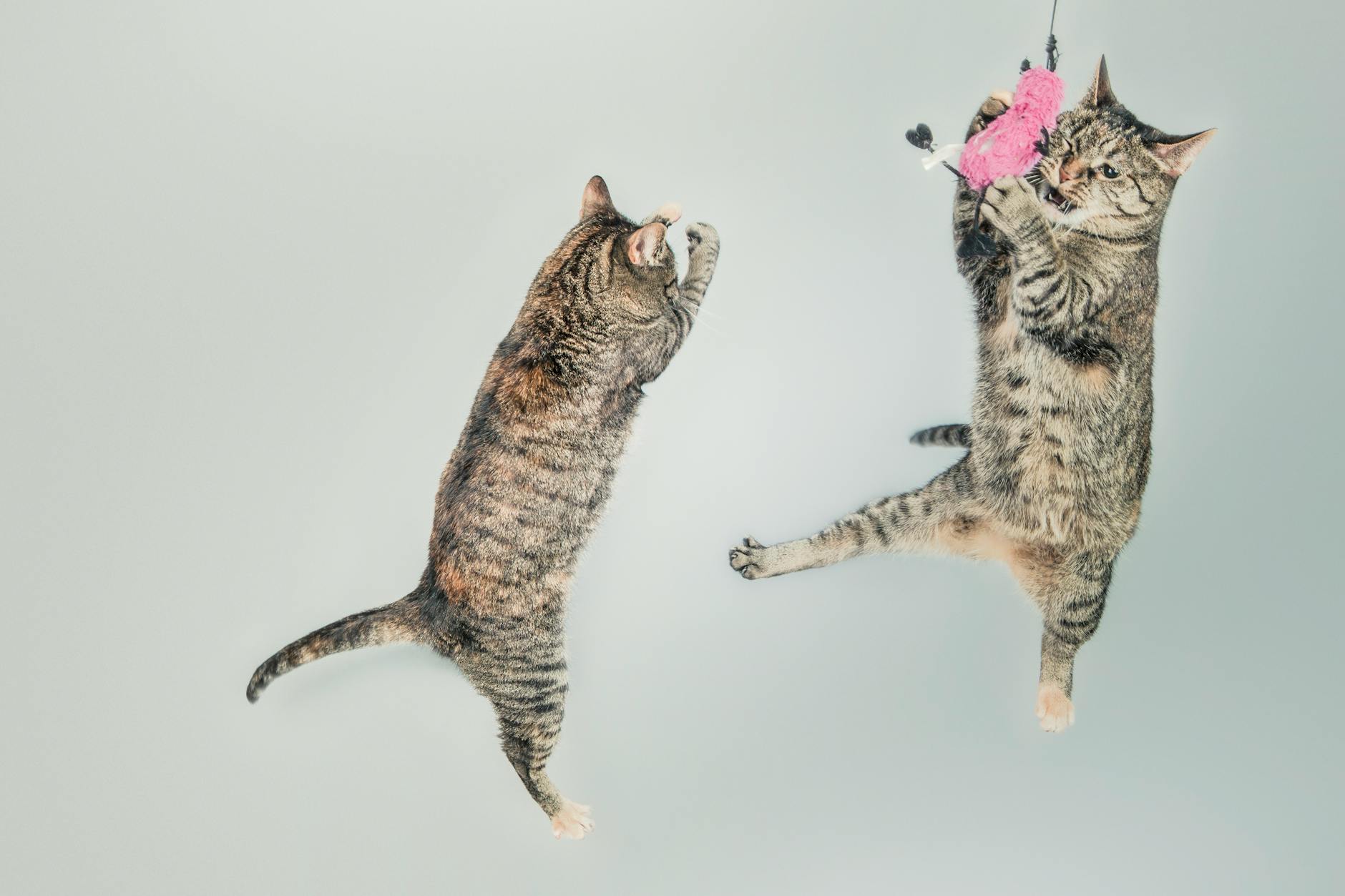
Interactive play is the gold standard of feline exercise. Wand toys (or feather teasers) allow you to control the movement of the "prey."
* The Technique: Make the toy mimic a bird or a mouse. Have it flutter through the air, hide behind a sofa cushion, or scurry across the floor.
* The Reward: Always let your cat successfully "catch" the prey at the end of the session. Follow this up with a small healthy treat to complete the natural "Eat" phase of their predatory cycle.
2. Food Puzzles and Foraging Toys
In nature, cats must work for their food. You can replicate this by ditching the traditional food bowl. Food puzzles, treat-dispensing balls, and DIY foraging cups force your cat to use their paws and brain to retrieve their kibble. This slows down their eating (great for digestion) and burns extra calories during mealtime.
3. Vertical Spaces and Climbing Structures
Cats are three-dimensional animals; they love to climb and view their kingdom from above.
* Cat Trees: Invest in a tall, sturdy cat tree with multiple tiers.
* Wall Shelves: Install feline-friendly wall steps and shelves to create a highway system around your room.
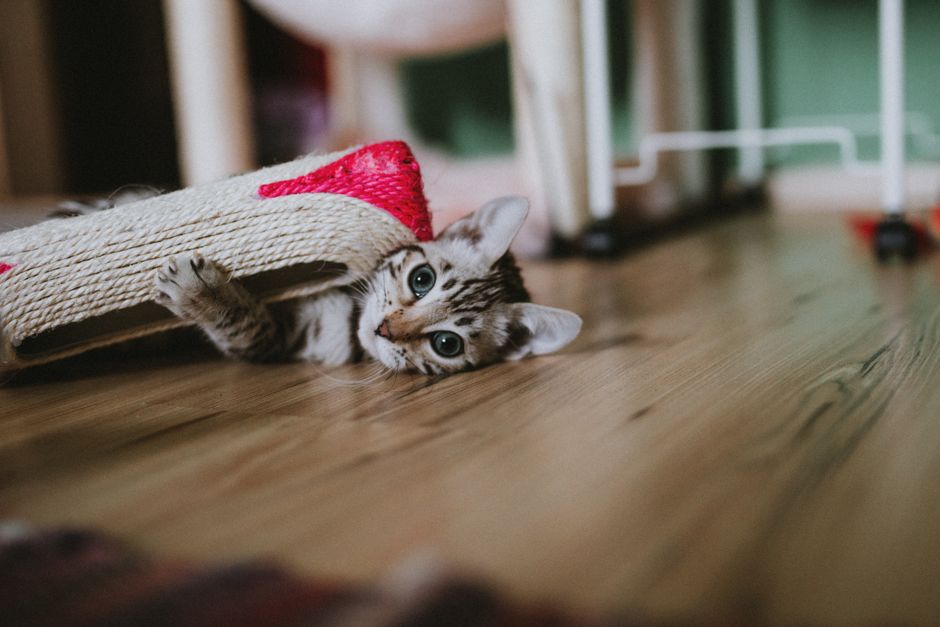
* Scratching Posts: Ensure you have vertical scratching posts tall enough for your cat to fully stretch out their spine while scratching.
Creating a Feline-Friendly Play Zone
To maximize your cat's activity levels, look at your home environment through a feline lens. Environmental enrichment is key to spontaneous exercise.
Toy Rotation is Key
Cats get bored of the same toys quickly. To prevent this, implement a toy rotation system. Keep only 3 to 4 toys out at a time, and store the rest in a closed container (ideally with some dried catnip). Swap them out every week. When an old toy reappears, your cat will treat it like a brand-new, exciting object.
Safe Outdoor Exposure: Catios and Leash Training
If you want to offer your cat the benefits of the outdoors safely, consider building a "catio" (an enclosed patio for cats). This gives them access to fresh air, sunshine, and the visual stimulation of passing birds and bugs.
Alternatively, many cats can be trained to walk on a harness and leash. Start slowly indoors, rewarding them with high-value treats for wearing the harness, before taking brief, supervised steps into the backyard.
Overcoming Common Obstacles to Cat Fitness
Not every cat will jump at the chance to exercise. Here is how to handle common roadblocks:
Engaging the "Lazy" or Senior Cat
If your cat is older or highly sedentary, start small. A 2-minute play session twice a day is better than nothing. Try low-impact toys, like catnip-infused kickers, or blow catnip-scented bubbles for them to watch and pop. Always consult your vet before starting a new exercise regimen with a senior cat to rule out underlying pain, such as arthritis.
Finding Time in a Busy Schedule
You do not need hours of free time. Two focused, 10-minute play sessions a day—ideally once in the morning and once in the evening—are highly effective. Cats are crepuscular, meaning they are naturally most active at dawn and dusk, making these the perfect times to play.

Monitoring Progress and Safety First
When introducing new physical activities, safety should always be your top priority. Watch for signs of overexertion, such as heavy panting, open-mouth breathing, or extreme lethargy. If your cat pants during play, stop immediately and let them rest in a cool area. If panting persists, contact your veterinarian.
Keep track of your cat's body condition score (BCS) and weight. Regular vet checkups will help you ensure that their diet and exercise plan are perfectly balanced to keep them at their ideal weight.
Conclusion
Keeping your indoor cat active and healthy doesn't require expensive gadgets or hours of your time. By understanding their natural instincts, providing vertical spaces, rotating toys, and engaging in short, daily interactive play sessions, you can significantly enrich their lives. Remember, a physically active cat is a mentally satisfied cat. Start with just ten minutes today, and watch your feline companion transform into a happier, healthier pet!