As devoted pet parents, we strive to provide our furry companions with the best possible care, which undoubtedly includes a healthy and safe diet. However, what's perfectly safe and even delicious for humans can be incredibly dangerous, or even deadly, for our beloved dogs and cats. Their digestive systems, metabolism, and overall physiology are vastly different from ours, making them susceptible to toxins that we might easily process. Unintentional poisonings from common household foods are a significant concern for veterinarians, and sadly, they happen more often than you might think.
To help you keep your four-legged family members out of harm’s way, I’ve compiled a definitive list of the top 10 toxic foods your pet should absolutely never eat. Understanding these dangers is the first step in creating a truly pet-safe home. Let’s dive in and learn how to protect our cherished companions from these hidden threats.
The Dangers Lurking in Your Pantry: Why Certain Foods Are Toxic to Pets
Pets, particularly dogs and cats, process food differently than humans do. Their smaller size, faster metabolism, and unique enzymatic pathways mean that even small amounts of certain substances can lead to severe health issues. For example, some compounds that are harmless to us can be potent toxins to them, affecting their kidneys, liver, red blood cells, or neurological system. Awareness is your best defense against accidental ingestion.
1. Chocolate
Chocolate is perhaps the most well-known toxic food for pets, and for good reason. It contains theobromine and caffeine, stimulants that pets metabolize much slower than humans. The darker the chocolate, the higher the concentration of these dangerous compounds. Even a small amount of dark chocolate or baking chocolate can be life-threatening for a small dog.
Symptoms: Vomiting, diarrhea, increased thirst, panting, restlessness, hyperactivity, tremors, seizures, and in severe cases, heart failure or death.
Action: Contact your vet immediately. Inducing vomiting may be recommended if caught early, but always under professional guidance.
2. Grapes & Raisins
The exact toxic agent in grapes and raisins remains a mystery, but their potential to cause acute kidney failure in dogs is well-documented. Even a small handful can be enough to trigger severe reactions in sensitive individuals, regardless of the dog’s size, breed, or age. It’s not about the quantity, but the individual pet’s sensitivity.
Symptoms: Vomiting, diarrhea, lethargy, loss of appetite, abdominal pain, increased thirst and urination (early stages), followed by decreased urination or anuria (kidney failure).
Action: This is an emergency. Seek immediate veterinary attention. Rapid decontamination and supportive care are crucial.
3. Xylitol (Artificial Sweetener)
Xylitol is a sugar alcohol found in many "sugar-free" products like gum, candy, toothpaste, peanut butter, and baked goods. In pets, especially dogs, it causes a rapid and severe drop in blood sugar (hypoglycemia) and can lead to liver failure. Even a tiny amount can be lethal. Always check ingredient labels!
Symptoms: Vomiting, lethargy, weakness, difficulty standing or walking, seizures, and collapse. Symptoms can appear within 15-30 minutes of ingestion.
Action: Immediate veterinary care is essential. Xylitol poisoning is a medical emergency requiring urgent treatment to stabilize blood sugar and protect the liver.
4. Onions, Garlic, Chives, & Leeks
These alliums, whether raw, cooked, or powdered, belong to the Allium family and contain compounds that can damage a pet's red blood cells, leading to anemia. Garlic is generally considered more potent than onions, but all forms are dangerous. Cats are particularly susceptible, but dogs can also be affected.
Symptoms: Vomiting, diarrhea, lethargy, weakness, pale gums, elevated heart rate, rapid breathing, and reddish-brown urine (indicating red blood cell damage). Symptoms may not appear for several days after ingestion.
Action: Contact your vet immediately. Depending on the amount ingested and time since ingestion, your vet may induce vomiting or recommend supportive care.
5. Alcohol
Any product containing alcohol — alcoholic beverages, food products with alcohol, or even raw yeast dough (which ferments in the stomach to produce alcohol) — can be toxic. Pets are much more sensitive to alcohol than humans, and even small amounts can cause significant intoxication and damage to the central nervous system and liver.
Symptoms: Vomiting, diarrhea, disorientation, incoordination, tremors, difficulty breathing, decreased body temperature, central nervous system depression, coma, and even death.
Action: Treat as an emergency. Immediate veterinary care is needed to prevent severe intoxication and support vital functions.

6. Avocado
While the flesh of ripe avocado may not be as toxic to dogs and cats as it is to some other animals (like birds and horses), it still poses risks. Avocados contain persin, a fungicidal toxin. The greatest danger for pets comes from the large pit, which can cause choking or gastrointestinal obstruction if swallowed. The high-fat content can also lead to pancreatitis.
Symptoms: Vomiting, diarrhea, abdominal pain (from pancreatitis), or signs of obstruction (vomiting, lethargy, straining to defecate).
Action: If the pit is ingested, seek immediate vet care. Monitor for signs of pancreatitis if a large amount of flesh is eaten.
7. Macadamia Nuts
These nuts are another mysterious toxin for dogs. While not typically fatal, macadamia nuts can cause a temporary but severe condition affecting the nervous system and muscles. The exact toxic compound is unknown, but even small amounts can cause symptoms.
Symptoms: Weakness (especially in the hind limbs), vomiting, tremors, fever, depression, and joint pain. Symptoms usually appear within 12 hours and resolve within 24-48 hours.
Action: Contact your vet for guidance. Treatment is usually supportive, focusing on managing symptoms and ensuring comfort.
Beyond the Obvious: More Foods to Keep Away & What to Do in an Emergency
8. Coffee & Caffeine
Caffeine, found in coffee, tea, energy drinks, and some medications, is a stimulant similar to theobromine in chocolate. Pets are very sensitive to its effects. Ingestion can lead to overstimulation of the nervous system and heart.
Symptoms: Restlessness, hyperactivity, tremors, elevated heart rate, abnormal heart rhythms, elevated blood pressure, seizures, and collapse.
Action: Seek immediate veterinary attention. Treatment often involves inducing vomiting (if appropriate), administering activated charcoal, and providing supportive care to manage symptoms.
9. Yeast Dough
Raw yeast dough is a double threat. First, the warm, moist environment of a pet’s stomach acts as an incubator, causing the dough to rise and expand. This can lead to severe bloating, gas, and potentially a life-threatening condition called gastric dilatation-volvulus (GDV) or bloat. Second, as the yeast ferments, it produces alcohol, leading to alcohol poisoning.
Symptoms: Bloated abdomen, retching without vomiting, weakness, disorientation, abdominal pain, depression, and signs of alcohol intoxication.
Action: This is an emergency. Contact your vet immediately. Surgery may be required to remove the dough, and treatment for alcohol poisoning will be necessary.
10. Cooked Bones
While raw bones can offer some benefits (with careful supervision), cooked bones are a significant danger. Cooking makes bones brittle, causing them to splinter easily. These sharp fragments can cause serious damage, including choking, cuts in the mouth or esophagus, or punctures and obstructions in the stomach or intestines.
Symptoms: Choking, gagging, vomiting, diarrhea (sometimes bloody), straining to defecate, abdominal pain, lethargy, or loss of appetite.
Action: If your pet has ingested cooked bones and is showing symptoms, seek immediate veterinary care. X-rays may be needed to locate fragments. Prevention is key – never give cooked bones.
Immediate Action: What to Do If Your Pet Eats Something Toxic
Even with the best precautions, accidents can happen. If you suspect your pet has ingested a toxic food, time is of the essence.
1. Stay Calm: Panic can hinder your ability to act effectively.
2. Identify the Toxin: Try to determine exactly what your pet ate, how much, and when. Save any packaging or remnants.
3. Call Your Vet or an Emergency Pet Hospital IMMEDIATELY: Do not wait for symptoms to appear. Provide them with all the information you have. They will advise you on the best course of action, which may include inducing vomiting (NEVER attempt this at home without professional instruction), administering activated charcoal, or bringing your pet in for immediate treatment.
4. Do NOT Induce Vomiting Without Instruction: Some toxins can cause more harm coming back up, or your pet might choke. Only a vet can determine if it's safe and necessary.
5. Monitor Your Pet: If you're on your way to the vet, keep a close eye on your pet for any changes in behavior or physical symptoms.
Prevention is Key: Creating a Pet-Safe Home
The best way to deal with toxic foods is to prevent your pet from accessing them in the first place.
* Secure Food Storage: Keep all human foods, especially those on this list, stored in pet-proof containers, high cupboards, or locked pantries.
* Supervise Meal Times: Never leave food unattended where a curious pet can reach it. Be mindful of dropped crumbs or spills.
* Educate Your Family: Ensure everyone in your household, including children and guests, understands which foods are off-limits for pets.
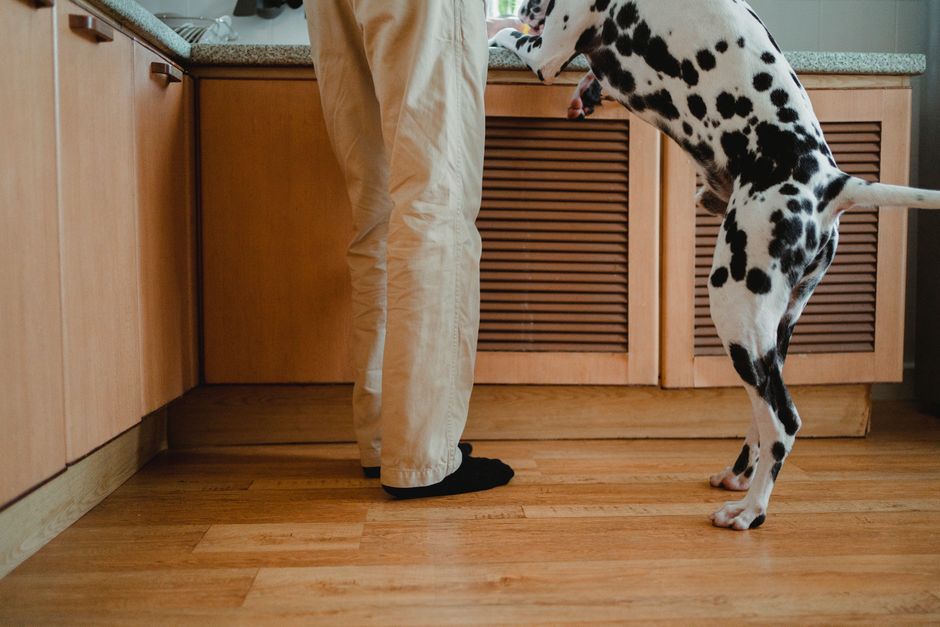
* Clear the Counters: Keep kitchen counters clear of tempting treats.
* Leash Walking: Be vigilant when walking your dog to prevent them from scavenging potentially toxic items on the ground.
* Know Your Emergency Contacts: Have your veterinarian's number, the number for the nearest 24-hour emergency vet clinic, and the Pet Poison Helpline (855-764-7661) readily available.
Conclusion
Our pets rely on us to keep them safe and healthy. By being informed about these top 10 toxic foods and taking proactive steps to pet-proof your home, you can significantly reduce the risk of accidental poisoning. Remember, when in doubt, it’s always better to err on the side of caution and consult your veterinarian. Your vigilance is the best safeguard for your beloved companion’s well-being. Keep those paws happy and healthy by keeping them away from dangerous human foods!