As a devoted pet parent, you want your furry companion to be healthy, happy, and, let's face it, smelling good! One of the most common questions I get asked as a veterinarian and pet care expert is, "How often should I bathe my dog?" It sounds like a simple question, but the answer isn't a one-size-fits-all. Just like humans, every dog is an individual with unique needs influenced by their breed, coat type, activity level, and even their skin health. Over-bathing can strip essential oils, leading to dry, irritated skin, while under-bathing can result in matting, odor, and skin infections. Finding that perfect balance is key to maintaining a healthy coat and skin for your beloved canine. Let's dive deep into understanding the nuances of dog bathing frequency, ensuring your pup stays fresh, comfortable, and optimally healthy.
Factors Influencing Bathing Frequency
Determining the ideal bathing schedule for your dog requires a thoughtful assessment of several key factors. Think of it as a personalized grooming plan rather than a rigid rule.
Breed and Coat Type
A dog's breed and the characteristics of their coat play a significant role in how often they should be bathed.
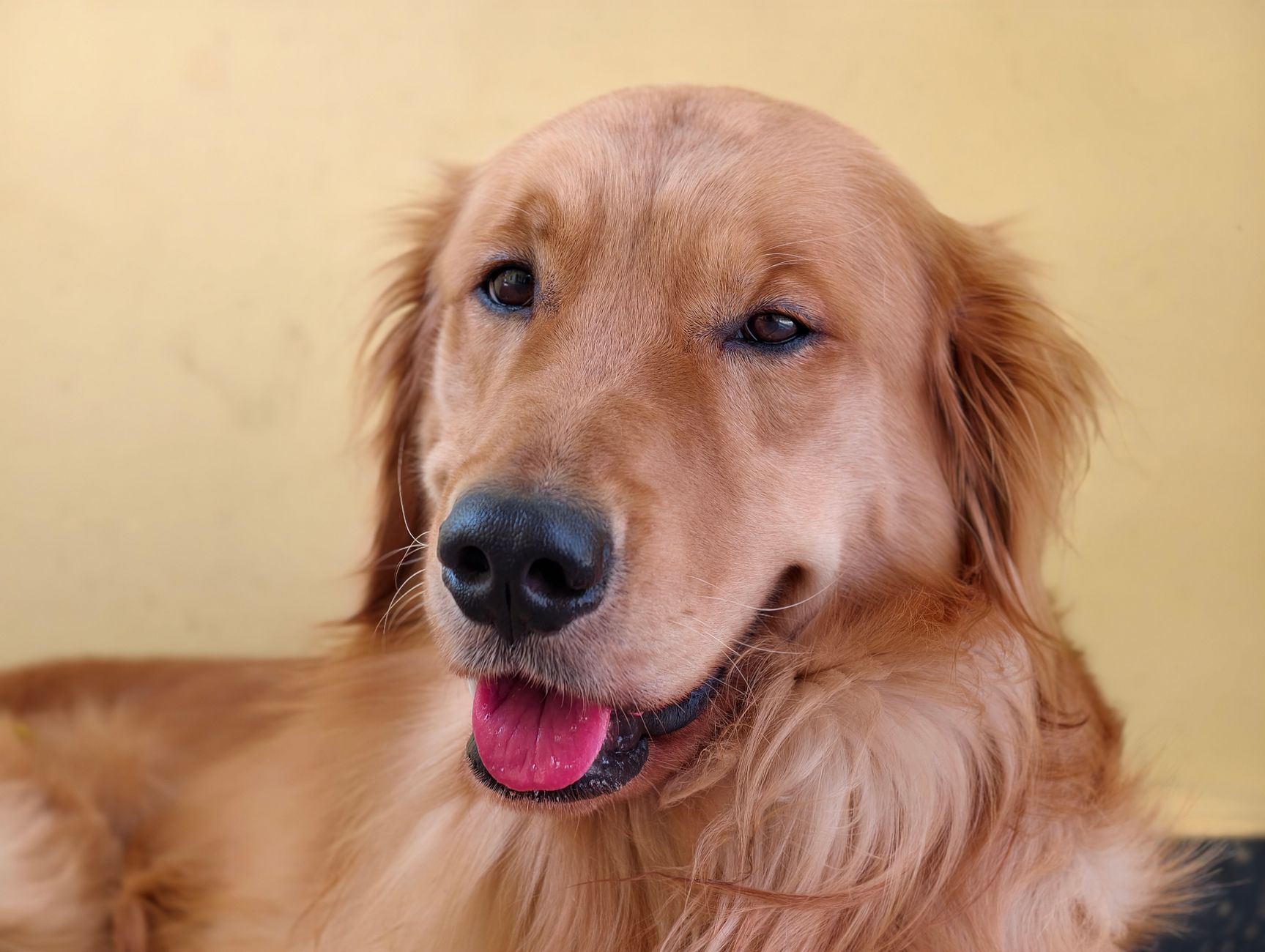
* Double-Coated Breeds (e.g., Huskies, German Shepherds, Golden Retrievers): These breeds possess a dense undercoat and a protective outer coat. Frequent bathing can strip the natural oils that keep their coats healthy and insulated, potentially disrupting their natural shedding cycle and compromising their coat's protective qualities. For these dogs, bathing every 2-3 months or even less often, unless they get particularly dirty, is generally sufficient. Regular brushing is far more important for managing their coats.
* Oily Coats (e.g., Basset Hounds, Cocker Spaniels): Breeds prone to oily skin and coats may benefit from more frequent bathing, perhaps every 4-6 weeks, to prevent oil buildup and associated odors. However, always use a gentle, degreasing dog shampoo specifically formulated for their needs to avoid over-drying.
* Short-Coated Breeds (e.g., Pit Bulls, Boxers, Dalmatians): Dogs with short, smooth coats often have fewer grooming demands. They typically need baths every 1-3 months, primarily when they get visibly dirty or start to develop an odor. Their coats are easier to maintain with regular wiping down between baths.
* Hairless Breeds (e.g., Chinese Crested, Xoloitzcuintli): Paradoxically, hairless breeds often require more frequent bathing, sometimes weekly, to prevent skin oil and dirt buildup that can lead to clogged pores and skin issues. Always follow up with a dog-safe moisturizer.
* Long-Haired Breeds (e.g., Shih Tzus, Maltese, Poodles): While their hair grows long, the goal isn't always frequent full baths. These breeds are prone to matting, so daily brushing is crucial. Baths can be given monthly or every 4-6 weeks, but careful drying and detangling are essential post-bath.
Activity Level and Lifestyle
Your dog's daily routine and environment heavily influence how quickly they accumulate dirt and grime.
* Outdoor Adventurers: Dogs that love to hike, swim, play in mud, or frequent dog parks will naturally get dirtier more often. These pups might need more frequent spot cleaning or baths, perhaps every few weeks, especially after particularly messy escapades.
* City Dwellers/Apartment Dogs: Pups living primarily indoors or in urban environments with paved walks might not get as dirty. For these dogs, a bath every 1-3 months could be perfectly adequate, provided they don't have underlying skin issues.
* Working Dogs: Certain working dogs, depending on their environment (e.g., farm dogs, hunting dogs), might require more attention to hygiene to prevent skin irritations from environmental contaminants.
Skin Conditions and Allergies
For dogs with pre-existing skin conditions, allergies, or chronic itching, bathing becomes a therapeutic tool.
* Medicated Shampoos: If your veterinarian has prescribed a medicated shampoo for allergies, fungal infections, or bacterial skin issues, you'll need to follow their specific instructions regarding bathing frequency, which might be as often as once or twice a week initially. These shampoos are designed to treat specific problems and require precise application.
* Sensitive Skin: Dogs with sensitive skin might react poorly to frequent bathing or harsh shampoos. For these pups, opt for hypoallergenic, soap-free, and fragrance-free dog shampoos. The goal is to cleanse without stripping natural oils or causing irritation. Your vet can recommend suitable products and bathing schedules.

The "Average" Dog Bathing Schedule
While the factors above emphasize personalization, a general guideline can be helpful for the average, healthy dog without specific skin concerns. For most dogs, a bath every one to three months is a good starting point. This frequency helps keep their coat clean, reduces shedding, and prevents matting without stripping essential oils.
However, the best indicator is often your nose and eyes!
* Odor: If your dog starts to develop a noticeable "doggy" smell, it's probably time for a bath.
* Visible Dirt: Mud, grime, or sticky substances on their coat are clear signals.
* Greasy or Dull Coat: A coat that looks greasy or feels dull to the touch could indicate a need for cleansing.
* Excessive Shedding/Dander: While brushing helps, a bath can also aid in loosening dead hair and dander.
Step-by-Step Dog Bathing Tips
Once you've determined it's bath time, proper technique can make the experience smoother for both you and your dog.
1. Gather Your Supplies: Before you even get your dog wet, have everything ready:
* Dog-specific shampoo (never human shampoo!)
* Several towels (one for scrubbing, one for drying)
* Cotton balls (for ears)
* A non-slip mat for the tub/sink
* A brush or comb
* Treats for positive reinforcement!
2. Brush Before Bathing: This is crucial, especially for long-haired breeds. Brushing beforehand removes loose hair, dirt, and helps to detangle any mats. Mats get tighter when wet, making them harder to remove.
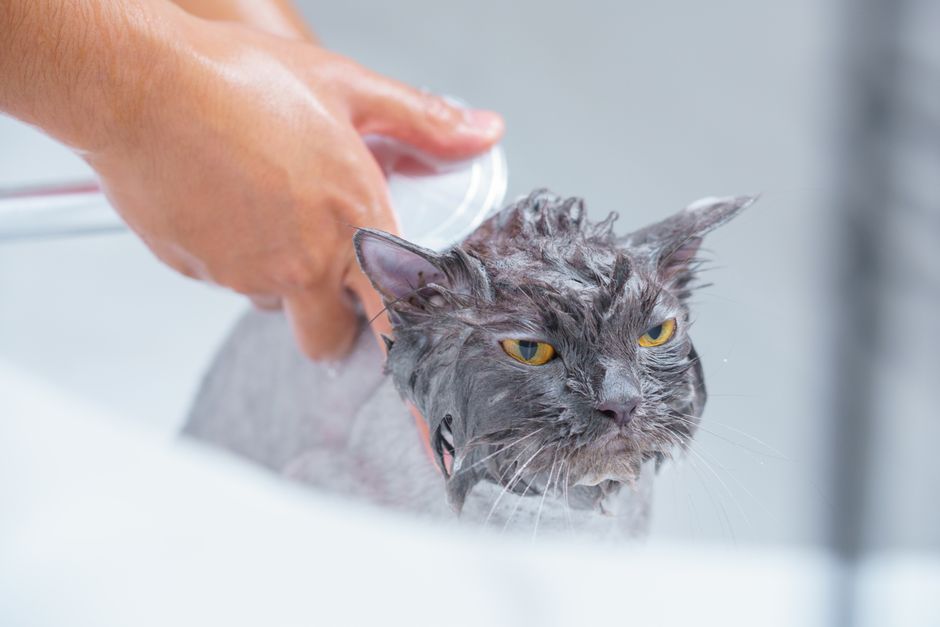
3. Use Lukewarm Water: Test the water temperature on your wrist. It should be comfortably warm, not hot or cold.
4. Wet Your Dog Thoroughly: Starting from the neck and working your way back, thoroughly wet your dog's entire coat. Be careful not to spray water directly into their eyes or ears. You can place cotton balls gently in their ears to help prevent water from entering the ear canal.
5. Apply Shampoo: Lather a small amount of dog shampoo, working it into their coat. Massage gently, paying attention to paws, tail, and underbelly. Avoid getting shampoo in their eyes.
6. Rinse, Rinse, Rinse! This is perhaps the most important step. Residual shampoo can irritate the skin and leave a dull film. Rinse until the water runs completely clear and you can no longer feel any slipperiness on their coat. Start from the head and work down.
7. Squeeze and Towel Dry: Gently squeeze excess water from their coat. Then, use a towel to thoroughly dry them. Rubbing vigorously can cause tangles, so blot and pat, especially for long-haired dogs.
8. Air Dry or Blow Dry (Carefully): If using a blow dryer, ensure it's on a cool or low-heat setting and keep it moving. Never use high heat, as it can burn your dog's skin. Many dogs prefer to air dry, especially in warm weather, but ensure they don't get chilled.
9. Reward: Always end bath time with praise, cuddles, and treats to create a positive association.
Common Dog Bathing Mistakes to Avoid
Even with good intentions, some common errors can turn bath time into a less-than-ideal experience or even harm your dog's skin and coat health.
Over-Bathing
As discussed, too frequent bathing can strip the natural oils (sebum) that protect your dog's skin and coat. This can lead to dry, itchy, flaky skin, increased dander, and even secondary skin infections as the skin's natural barrier is compromised. Stick to the recommended frequency for your dog's specific needs.
Using Human Shampoo
Human shampoos, even baby shampoos, are formulated for human skin pH, which is acidic. Dog skin has a more neutral pH. Using human shampoo can disrupt your dog's skin acid mantle, leading to irritation, dryness, and making them more susceptible to bacterial and fungal infections. Always use a shampoo specifically designed for dogs.
Not Rinsing Properly
Any shampoo residue left on your dog's coat can cause itching, irritation, and lead to dullness or greasy patches. Take extra time to rinse thoroughly, especially in dense coats.
Ignoring Ear and Eye Care
Water in the ears can lead to ear infections, especially in dogs with floppy ears. Always protect their ears with cotton balls and clean their ears gently after the bath. Be extremely careful to avoid getting shampoo in their eyes, which can cause irritation or even chemical conjunctivitis. Use a damp cloth to gently wipe around their eyes if needed.
Making it a Negative Experience
Forcing a dog into a bath, scolding them, or rushing the process can create a negative association, making future baths a struggle. Patience, positive reinforcement, and a calm demeanor can turn bath time into a bonding experience.
When to Consult Your Veterinarian
While bathing is generally a straightforward part of pet care, there are times when you should consult your vet:
* Persistent Odor: If your dog still smells foul shortly after a bath, it could indicate an underlying skin infection or medical issue.
* Excessive Itching, Redness, or Flaking: These symptoms could point to allergies, parasites, or a skin condition requiring veterinary attention.
* Hair Loss or Lesions: Any unusual hair loss, scabs, or sores should always be checked by a vet.
* Discomfort During Bathing: If your dog shows unusual pain or sensitivity during bathing, it's worth investigating.
Conclusion
Ultimately, the question of "how often should you bathe your dog?" doesn't have a single answer. It's a dynamic equation influenced by their unique biology and lifestyle. By understanding your dog's breed, coat type, activity level, and skin health, you can tailor a bathing routine that keeps them clean, comfortable, and truly healthy. Always choose dog-specific products, practice proper bathing techniques, and don't hesitate to consult your veterinarian if you have any concerns about your dog's skin or coat. Your furry friend will thank you with a wagging tail and a fresh, healthy glow!