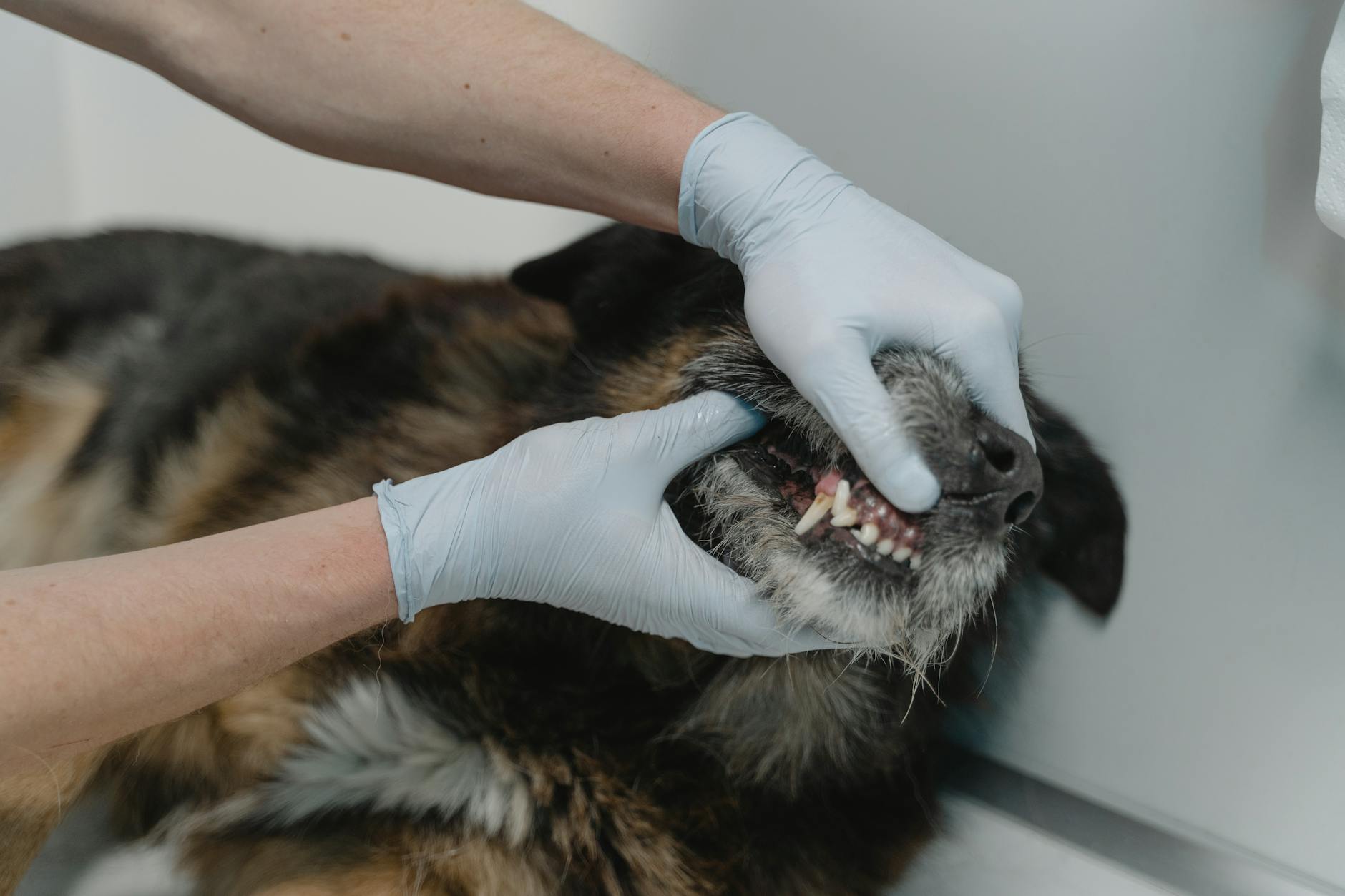
As a devoted pet parent, your furry friend's health and happiness are undoubtedly top priorities. Yet, lurking unseen in our homes, yards, and even on our pets themselves, are common parasites that pose significant threats to their well-being. Fleas, ticks, and various types of worms are more than just an annoyance; they can cause discomfort, transmit diseases, and lead to serious health complications if left unchecked. The good news? With a proactive approach and the right knowledge, preventing these unwelcome invaders is entirely achievable. This comprehensive guide, written by a veterinarian, will equip you with the essential information and practical strategies needed to protect your cherished companion from common pet parasites.
Understanding Common Pet Parasites
Before we delve into prevention, it's crucial to understand who we're up against. Knowing the enemy helps us build a stronger defense.
Fleas: Tiny Terrors, Big Problems
Fleas are external parasites that feed on the blood of mammals and birds. These tiny, wingless insects are incredibly agile, capable of jumping impressive distances, making them adept at hopping onto your pet from the environment. A single flea can lay up to 50 eggs per day, quickly leading to an infestation in your home.
Symptoms of a Flea Infestation:
* Excessive scratching, licking, or biting, especially around the tail base and hindquarters.
* Visible fleas (small, dark, fast-moving insects) or 'flea dirt' (flea feces, which look like tiny black specks and turn reddish-brown when wet) on your pet's fur or bedding.
* Hair loss, scabs, or red, irritated skin, often due to allergic reactions to flea saliva (Flea Allergy Dermatitis - FAD).
* Pale gums in severe cases, indicating anemia, particularly dangerous for puppies and kittens.
Dangers of Fleas:
Beyond the intense itching, fleas can transmit tapeworms if ingested by your pet during grooming. They can also cause significant blood loss, leading to anemia, which can be fatal in young or immunocompromised animals. FAD is a common and miserable condition for many pets, causing chronic skin issues.
Ticks: Silent Hitchhikers, Serious Threats
Ticks are arachnids, related to spiders, and are external parasites that attach to your pet and feed on their blood. Unlike fleas, ticks don't jump; they typically 'quest' by perching on grass or shrubs, waiting to latch onto a passing host. Ticks are notorious for their ability to transmit a variety of serious diseases, making prevention paramount.
Symptoms of Ticks:
* Visible ticks attached to your pet's skin, often found in crevices like ears, armpits, between toes, or around the neck and head. They can range in size from a poppy seed to a small grape when engorged.
* Lethargy, lameness, loss of appetite, or fever if a tick-borne disease is contracted.
* Tick paralysis: A rare but severe condition caused by neurotoxins in some tick species' saliva, leading to progressive paralysis that can be fatal if the tick isn't removed.
Dangers of Ticks:
Ticks are vectors for numerous debilitating and potentially fatal diseases, including:
* Lyme Disease: Causes lameness, fever, joint swelling, and kidney problems.
* Anaplasmosis: Leads to fever, lethargy, joint pain, and bruising.
* Ehrlichiosis: Results in fever, lethargy, weight loss, bleeding disorders, and chronic organ damage.
* Rocky Mountain Spotted Fever: A severe bacterial disease causing fever, skin rashes, and neurological signs.
* Babesiosis: Destroys red blood cells, leading to anemia, weakness, and organ damage.
* Cytauxzoonosis (Bobcat Fever): A rapidly fatal disease in cats.
Intestinal Worms: Hidden Dangers Within
Internal parasites, commonly known as worms, reside in your pet's gastrointestinal tract, robbing them of vital nutrients and causing a range of health issues. Many pets can carry worms without obvious symptoms, highlighting the importance of regular preventative measures.
Common Types of Intestinal Worms:
* Roundworms (Ascarids): Common in puppies and kittens, often acquired from their mother. They look like spaghetti and can cause a pot-bellied appearance, diarrhea, vomiting, and stunted growth.
* Hookworms: Tiny, blood-sucking worms that attach to the intestinal lining. They cause anemia, bloody stool, weight loss, and weakness. Can be transmitted through contaminated soil or from mother to offspring.
* Tapeworms: Long, segmented worms that typically result from a pet ingesting an infected flea (most common type) or raw meat/infected prey (less common type). Segments resembling rice grains may be seen around the pet's anus or in their feces. Symptoms are often mild, but can include anal itching or weight loss.
* Whipworms: Reside in the large intestine and cause chronic diarrhea, weight loss, and sometimes bloody stool. Their eggs are very hardy in the environment.
Dangers of Worms:
Beyond discomfort and nutrient depletion, worms can lead to severe health problems like anemia, intestinal blockages, chronic diarrhea, and even organ damage. Some worms are also zoonotic, meaning they can be transmitted to humans, especially children, posing public health risks.

Comprehensive Prevention Strategies
Protecting your pet from these parasites requires a multi-faceted approach. Consistency is key, as is tailoring a plan with your veterinarian.
Topical & Oral Medications
This is often the cornerstone of effective parasite prevention. A wide array of highly effective products are available, targeting fleas, ticks, and/or various types of worms.
* Oral Medications: Monthly chewable tablets are popular for their convenience and effectiveness. Many protect against fleas, ticks, and some intestinal worms. Some heartworm preventatives also include dewormers for common intestinal parasites.
* Topical Spot-Ons: Applied to a small area of skin (typically between the shoulder blades), these solutions spread over the pet's skin and hair, offering protection against fleas and ticks, and sometimes certain worms.
* Collars: Certain medicated collars can provide long-lasting protection against fleas and ticks, releasing active ingredients that repel or kill parasites.
* Injections: For heartworm prevention, there are also injectable options that provide protection for 6 or 12 months.
Important Considerations:
* Prescription vs. Over-the-Counter: Many of the most effective and safest products require a veterinary prescription. Always consult your vet before administering any parasite control product to ensure it's appropriate for your pet's species, age, weight, and health status.
* Year-Round Protection: Parasites aren't just a summer problem. Fleas can thrive indoors year-round, and ticks can be active even in mild winter weather. Year-round prevention is crucial for consistent protection.
* Heartworm Prevention: While not an intestinal worm, heartworms are deadly internal parasites transmitted by mosquitoes. Monthly oral or topical medications, or annual injections, are vital for prevention. Always test for heartworms before starting preventative medication.
Environmental Control
Preventing parasites on your pet also means controlling them in their environment.
* Indoors: Regularly vacuum carpets, rugs, and upholstery to remove flea eggs, larvae, and pupae. Wash pet bedding frequently in hot water. Consider using pet-safe household flea sprays or foggers in cases of heavy infestation, but always follow product instructions carefully and ensure proper ventilation.
* Outdoors: Keep your yard tidy by mowing lawns regularly, trimming shrubs, and clearing leaf litter, which reduces hiding spots for ticks and fleas. If you live in a high-tick area, consider professional yard treatments, but ensure they are pet-safe. Prevent your pet from accessing areas frequented by wildlife, as wild animals can introduce parasites.
Regular Veterinary Check-ups & Testing
Your veterinarian is your best partner in parasite prevention.
* Annual Wellness Exams: These visits allow your vet to assess your pet's overall health, discuss their lifestyle, and recommend the most suitable parasite prevention plan.
* Fecal Examinations: Regular stool samples allow your vet to check for the presence of intestinal worm eggs. Even if your pet shows no symptoms, they could be shedding eggs and infecting the environment. Puppies and kittens require more frequent deworming and fecal checks.
* Blood Tests: Annual heartworm tests are essential for dogs. In tick-prone areas, vets may also recommend screening for common tick-borne diseases.
Grooming & Inspection
Your eyes and hands are powerful tools in early detection.
* Daily Checks: After walks or outdoor play, especially in wooded or grassy areas, thoroughly check your pet for ticks. Pay close attention to ears, between toes, under the collar, and in skin folds.
* Regular Brushing: Brushing your pet not only keeps their coat healthy but also allows you to inspect their skin for fleas, flea dirt, and any skin irritations.
* Proper Tick Removal: If you find a tick, remove it immediately and carefully using fine-tipped tweezers. Grasp the tick as close to the skin as possible and pull straight up with steady, even pressure. Avoid twisting or crushing the tick. Clean the bite area with antiseptic. Save the tick in a sealed bag or jar with a moist cotton ball for potential identification by your vet if your pet develops symptoms.

Ready to take your pet's health to the next level? Download PetLover Health Passport — track vaccinations, vet visits, medications, and share with your whole family. Available on iOS and Android.
Tailoring a Prevention Plan with Your Vet
Every pet is unique, and so should be their parasite prevention plan. What works for one dog might not be ideal for another, or for a cat.
Factors Your Vet Considers:
* Geographic Location: The prevalence of certain parasites and diseases varies by region. For instance, Lyme disease is more common in specific areas.
* Pet's Lifestyle: Does your pet spend a lot of time outdoors? Do they frequent dog parks or hiking trails? Do they interact with other animals? Are they an indoor-only cat?
* Age and Health Status: Puppies and kittens have developing immune systems and specific needs for deworming. Older pets or those with underlying health conditions may require different considerations.
* Species: Dogs and cats have different metabolisms and sensitivities to certain medications. Always ensure products are species-specific.
* Travel History: If you travel with your pet, especially to different regions or countries, their risk profile changes, and prevention might need to be adjusted.
Your veterinarian will conduct a thorough assessment and recommend a personalized plan that includes the most appropriate products and schedule for your pet. This might involve a combination of oral medications, topical treatments, and environmental strategies.
Debunking Common Myths About Parasite Prevention
Misinformation can leave your pet vulnerable. Let's clear up some common misconceptions.
Myth 1: My indoor pet doesn't need parasite prevention.
Reality: This is a dangerous myth! While indoor pets have a lower risk, it's not zero. Fleas can hitch a ride into your home on your clothes or other pets. Mosquitoes, which transmit heartworm, easily get indoors. Ticks can be carried in on humans or even other animals that briefly enter your home. Preventing parasites in indoor pets is just as vital for their health and your peace of mind.
Myth 2: Parasite prevention is only necessary during warm months.
Reality: Many parasites are active year-round. Fleas can survive and reproduce in warm indoor environments even in winter. Ticks can be active any time the temperature is above freezing. Heartworm disease, while transmitted by mosquitoes that are more prevalent in warmer months, requires year-round prevention to ensure continuous protection against larvae developing into adult worms. Consistent, year-round prevention is the safest approach.
Myth 3: Natural remedies like garlic or essential oils are enough.
Reality: While some natural remedies might have mild repellent properties, they are generally not effective enough to provide reliable protection against serious parasitic infestations and diseases. Furthermore, some 'natural' remedies, like certain essential oils or garlic, can be toxic to pets. Always rely on scientifically proven, veterinarian-approved products for effective and safe parasite control.
Conclusion:
Protecting your pet from fleas, ticks, and worms is a fundamental aspect of responsible pet ownership. These common parasites pose real threats to your companion's health, ranging from uncomfortable itching to life-threatening diseases. By implementing a consistent, veterinarian-recommended prevention plan that includes appropriate medications, environmental control, regular check-ups, and diligent at-home inspections, you can significantly reduce their risk. Don't wait for an infestation or illness to strike; be proactive! Schedule an appointment with your veterinarian today to discuss the best parasite prevention strategy tailored specifically for your beloved pet. Their health and happiness depend on it.