As a loving pet parent, you're your dog's first line of defense against illness and discomfort. Our canine companions are masters at hiding pain and sickness, a survival instinct from their wild ancestors. This stoicism means that by the time obvious symptoms appear, an underlying issue might have progressed significantly. That's why being observant and understanding the subtle cues your dog gives you is absolutely crucial. As an expert veterinarian, I'm here to equip you with the knowledge to recognize the early signs of pain and illness, empowering you to act swiftly and get your furry friend the care they deserve.
Understanding Your Dog's Baseline
Before you can recognize what's wrong, you must first understand what's normal for your individual dog. Every dog has their own unique personality, energy level, and daily routine. Take the time to truly observe your dog when they're healthy.
What's Normal for Your Dog?
* Behavior and Personality: Is your dog typically playful and outgoing, or more reserved? Do they greet you enthusiastically or prefer a calm cuddle? Note their usual level of interaction with family members and other pets.
* Energy Levels: How much exercise do they usually need? Are they typically energetic after walks, or do they nap for hours? A sudden shift in either direction can be a red flag.
* Appetite and Thirst: Pay attention to how much and how often your dog eats and drinks. Do they gulp their food down or graze throughout the day? How many times do you refill their water bowl?
* Elimination Habits: Monitor the frequency, consistency, and volume of their urine and feces. Any changes here can indicate digestive or urinary issues.
* Sleeping Patterns: Where does your dog usually sleep? How many hours do they typically rest? Changes in preferred sleeping spots or excessive sleepiness could be a sign of discomfort.
* Gait and Movement: Observe how your dog walks, runs, and jumps. Are they agile and coordinated, or do they have a slight stiffness that's normal for them (especially older dogs)?
Establishing this baseline helps you identify deviations more easily. A subtle change for one dog might be normal for another, so personalized observation is key.
Behavioral Changes: Key Indicators of Discomfort
Your dog's behavior is a window into their well-being. Any significant or sustained change in their usual demeanor warrants attention.
Changes in Activity Levels
* Lethargy or Decreased Activity: This is one of the most common signs of illness. Your dog might be less enthusiastic about walks, playing, or their usual activities. They may sleep more than usual or seem generally subdued.
* Restlessness or Agitation: Conversely, a dog in pain might struggle to get comfortable. They may pace, frequently change positions, or seem unable to settle down. This can sometimes be mistaken for boredom.
Altered Social Interaction
* Withdrawal: A typically social dog might start avoiding interaction, hiding, or retreating to a quiet spot. They may not greet you as usual or shy away from petting.
* Increased Clinginess: Some dogs become unusually needy or clingy when they don't feel well, seeking constant reassurance from their owners.
* Aggression or Irritability: A dog in pain, especially if it's touched in a sensitive area, might snap, growl, or become uncharacteristically aggressive. This is often a fear-based response to protect themselves.
Hiding or Seeking Solitude
Many dogs will try to hide when they feel ill or vulnerable. They might go under furniture, into a closet, or simply retreat to a corner of the room they don't usually frequent.
Changes in Sleep Patterns
Difficulty sleeping, waking up frequently, or excessive panting during sleep can indicate pain or discomfort. Conversely, sleeping far more than usual can also be a sign of illness.
Excessive Licking or Chewing
Dogs often lick or chew at areas of their body that are bothering them. This could be due to pain, itching, or an infection. Pay close attention if they focus on a particular paw, joint, or skin area.
Vocalizations (Whining, Growling, Yelping)
While some dogs are naturally more vocal, an increase in whining, groaning, yelping, or even growling without an obvious cause can signal pain or distress. A sudden yelp when touched or moved is a clear indicator of localized pain.

Physical Symptoms to Watch For
Beyond behavior, physical changes are often more direct indicators of illness or injury. Regular physical checks at home can help you spot these early.
Changes in Appetite and Thirst
* Loss of Appetite (Anorexia): Your dog refusing food, or eating significantly less than usual, is a major red flag for many conditions.
* Increased Appetite: Sometimes, certain illnesses (like diabetes or thyroid issues) can cause an unusual increase in hunger.
* Increased Thirst (Polydipsia): Excessive drinking can be a symptom of kidney disease, diabetes, Cushing's disease, or other serious conditions.
* Decreased Thirst: Not drinking enough can lead to dehydration and be a sign of nausea or general malaise.
Vomiting and Diarrhea
Occasional, isolated incidents might not be alarming, but frequent vomiting, persistent diarrhea, blood in vomit/stool, or severe lethargy accompanying these symptoms require immediate veterinary attention. Dehydration is a significant risk.
Changes in Urination or Defecation
* Increased Urination (Polyuria): Similar to increased thirst, this can indicate kidney problems or diabetes.
* Straining or Difficulty Urinating (Dysuria): This could be a sign of a urinary tract infection, bladder stones, or prostate issues.
* Incontinence: Leaking urine, especially while sleeping, can be a sign of infection, hormonal imbalance, or neurological problems.
* Constipation: Straining to defecate or producing hard, dry stools can be uncomfortable and indicates digestive issues.
* Changes in Stool Consistency/Color: Beyond diarrhea, look for very light-colored stools (liver issues), dark, tarry stools (bleeding in the upper GI), or mucus.
Limping or Difficulty Moving
Any sign of lameness, stiffness, reluctance to jump or use stairs, or favoring a limb should be investigated. This can indicate anything from a minor sprain to arthritis, ligament tears, or more serious neurological problems.
Swelling or Lumps
Regularly run your hands over your dog's body. Feel for any new lumps, bumps, or areas of swelling. While not all are cancerous, all new growths should be examined by a vet. Swelling can also indicate inflammation, infection, or fluid accumulation.
Eye and Ear Discharge
* Eyes: Redness, squinting, excessive tearing, or thick, colored discharge can indicate allergies, infections, or injuries.
* Ears: Redness, swelling, foul odor, excessive scratching, head shaking, or discharge (waxy, dark, or pus-like) are classic signs of ear infections.
Coat and Skin Changes
* Dull Coat or Excessive Shedding: Can be a sign of poor nutrition, parasites, or underlying systemic illness.
* Redness, Rashes, Bumps, or Lesions: Often indicate allergies, parasites (fleas, mites), fungal infections, or bacterial skin infections.
* Dry, Flaky Skin: Could be environmental, nutritional, or an endocrine issue.
Changes in Breath and Oral Health
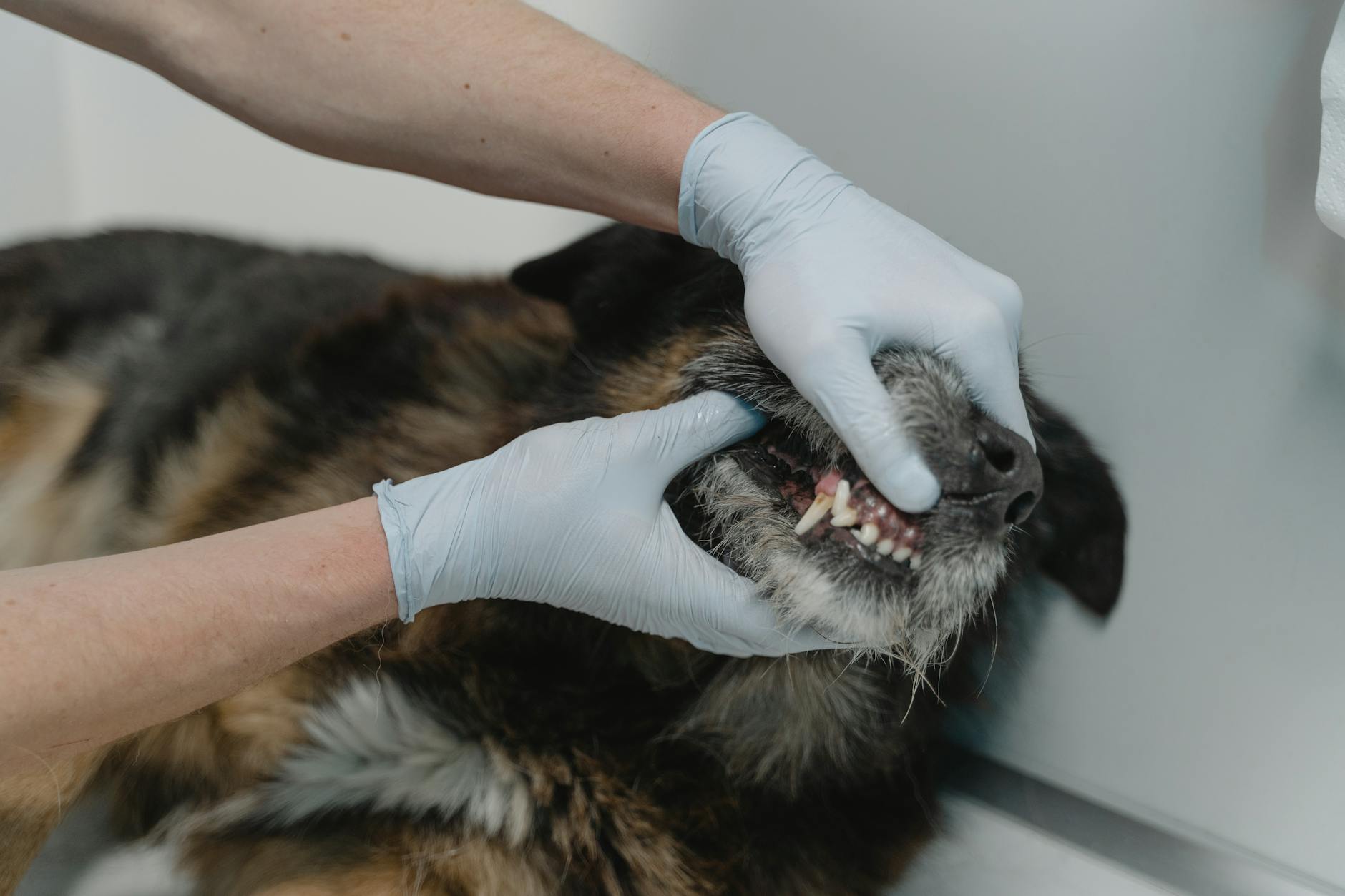
* Bad Breath (Halitosis): While some doggy breath is normal, a sudden worsening or particularly foul odor can indicate dental disease, kidney issues, or even diabetes.
* Red or Swollen Gums: Signs of gingivitis or periodontal disease.
* Pale or Bluish Gums: Pale gums can indicate anemia or shock; bluish gums indicate a lack of oxygen and are a medical emergency.
Respiratory Changes
* Coughing or Sneezing: Frequent or persistent coughing/sneezing can indicate kennel cough, allergies, bronchitis, or heart disease.
* Labored or Rapid Breathing: Heavy panting without exertion, or visible effort to breathe, is a serious sign. Blue-tinged gums accompanying this are an emergency.
Recognizing Signs of Pain
Pain in dogs can manifest in many subtle ways. Learning to identify these can help you intervene before the pain becomes chronic or severe.
Posture and Gait Changes
* Arched Back or Hunched Posture: Can indicate abdominal pain or back issues.
* Stiff or Guarded Movements: Your dog might walk gingerly, avoid certain movements, or struggle to get up or lie down.
* Head Lowered: A persistently lowered head can be a sign of neck pain or general malaise.
* Weight Shifting: Shifting weight off a limb or standing with an unusual stance can indicate discomfort.
Reluctance to Move or Be Touched
If your normally affectionate dog flinches, growls, or tries to move away when you touch a particular area, it's a strong indicator of localized pain. They might also be unwilling to jump into the car, go up stairs, or play fetch.
Shivering or Trembling
While some dogs shiver from cold or fear, unexplained shivering or trembling, especially when accompanied by other symptoms, can be a sign of pain, weakness, or anxiety due to illness.
Panting Without Exertion
Panting is normal after exercise or in hot weather, but excessive panting when at rest, in a cool environment, or during the night can be a sign of pain, stress, fever, or an underlying heart or respiratory issue.
Facial Expressions ("Pain Face")
While harder to detect, a dog in pain might have a subtle