As a veterinarian and pet care writer, few topics bring me as much joy as helping families expand their loving homes to include a new furry, feathered, or scaled friend. The excitement of a new pet is undeniable, but it's often accompanied by questions, especially when existing pets are already part of the family. A successful introduction is not just about avoiding immediate conflict; it's about laying the groundwork for a harmonious, happy, and stress-free life for all members of your household, human and animal alike. This guide will walk you through expert-backed strategies to ensure a smooth transition, minimizing stress and maximizing the chances of lasting friendships.
\n## Before Your New Pet Arrives
Preparation is the cornerstone of a successful introduction. Thinking ahead can prevent many common pitfalls and make the entire process much smoother for everyone involved.
\n### Health Checks and Vaccinations
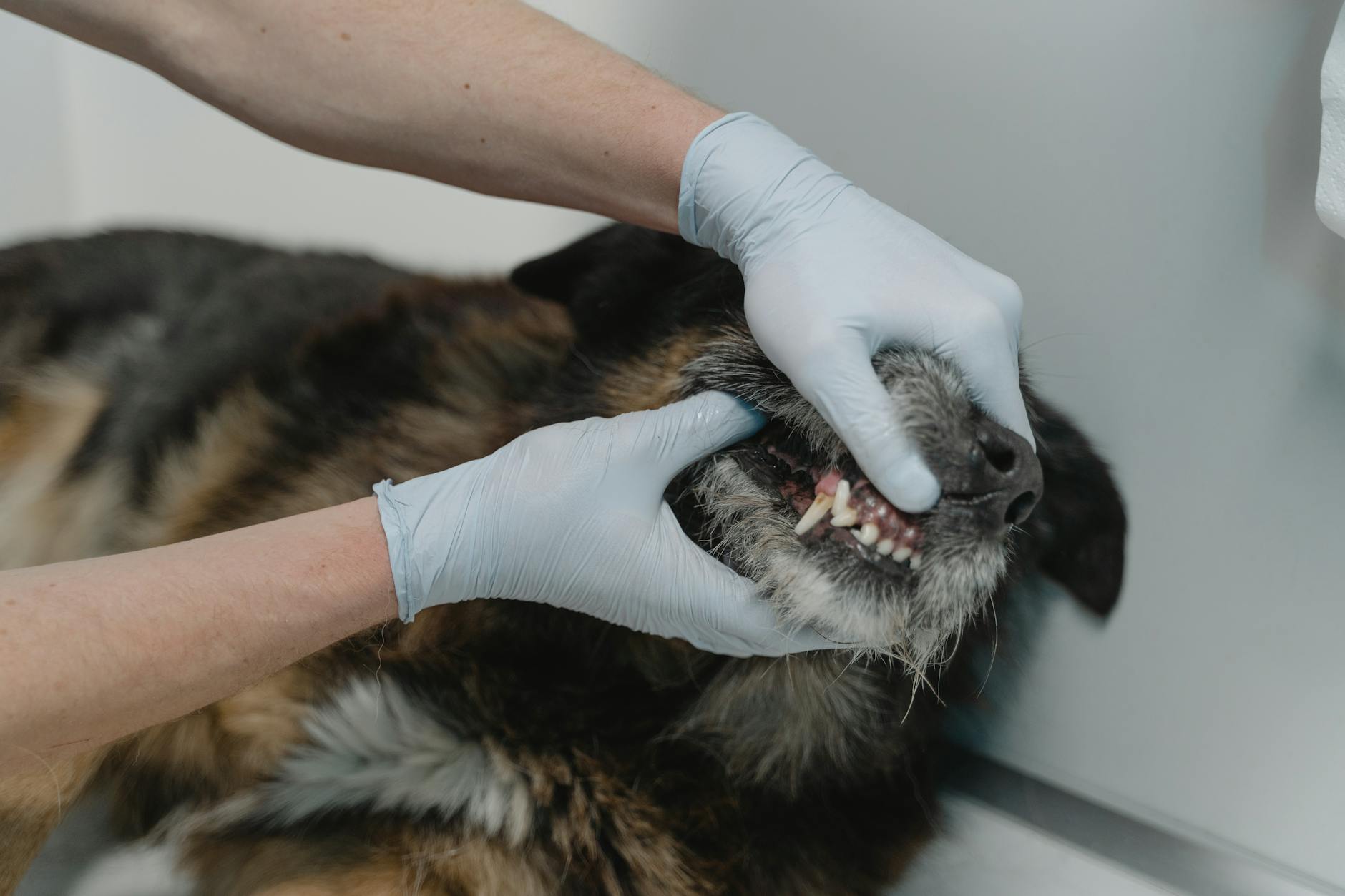
Before your new pet even sets paw in your home, ensure they have a clean bill of health. A thorough veterinary check-up, including deworming and up-to-date vaccinations, is crucial. This protects your existing pets from potential diseases and ensures your new family member is healthy and comfortable. For puppies and kittens, a quarantine period (often 10-14 days) is highly recommended, especially if they are from an unknown background or shelter. This allows you to monitor for any signs of illness and lets your new pet decompress in a quiet space.
\n### Prepare Your Home with Separate Spaces
Each pet needs their own sanctuary. Set up a separate, secure space for your new pet – a spare room, a large crate in a quiet corner, or a sectioned-off area. This space should include their own food and water bowls, a comfortable bed, toys, and a litter box for cats. The goal is to give your new pet a safe haven where they can retreat and feel secure, away from the initial curiosity or anxiety of existing pets. Similarly, ensure your existing pets have their own undisturbed areas.
\n### Manage Expectations and Gather Supplies
Understand that building relationships takes time. Not every introduction results in instant best friends, and that's okay. Aim for tolerance and respect first. Gather all necessary supplies for your new pet: food, bowls, bedding, toys, grooming tools, leash/collar, and identification tags. Consider pheromone diffusers (e.g., Adaptil for dogs, Feliway for cats) in both the new pet's area and common areas to help reduce stress and create a calming environment for all animals.
\n
\n## The First Introduction: Dogs to Dogs
Introducing dogs requires careful management and an understanding of canine body language. Patience is paramount.
\n### Neutral Territory is Key
For the very first meeting, choose a neutral outdoor space – a park, a quiet street, or a friend's fenced yard that neither dog considers their territory. This reduces territorial aggression and anxiety. Both dogs should be on leashes, handled by separate, calm individuals. Keep the leashes loose; tension on the leash can translate to tension in the dog.
\n### Leashed and Controlled, But Not Restrained
Allow the dogs to approach each other naturally, sniffing and observing. Look for positive body language: loose bodies, wagging tails (not stiff or high), soft eyes, and sniffing. Avoid forcing interaction. If either dog shows signs of stress (tail tucked, stiff body, growling, excessive lip licking, yawning), calmly redirect them and create distance. Reward calm, positive interactions with praise and high-value treats.
\n### Short, Positive Interactions
Keep initial meetings brief – just 5-10 minutes. End on a positive note before either dog becomes overstimulated or stressed. Gradually increase the duration of these neutral territory meetings over several days or weeks. Once they are consistently calm and comfortable outside, you can introduce them to your home, ideally with one dog crated or on a leash initially, allowing them to acclimate to each other's presence indoors in a controlled manner.
\n## The First Introduction: Cats to Cats
Cats are often more territorial and subtle in their social cues than dogs. Their introductions require an even more gradual approach, focusing on scent and controlled exposure.
\n### Scent Swapping
Begin by allowing your cats to get used to each other's scent without visual contact. Swap bedding, towels, or toys between their separate spaces. Gently rub a cloth on one cat's cheeks and then place it in the other cat's area. This allows them to become familiar with the new scent in a non-threatening way. Feed them on opposite sides of a closed door, gradually moving the food bowls closer to the door over several days.
\n### Controlled Visual Contact
Once they seem comfortable with each other's scent (no hissing or growling at the door), introduce visual contact. Use a baby gate, screen door, or crack a door open just enough for them to see each other, but not physically interact. Supervise these sessions closely. Continue to feed them during these visual encounters, associating the presence of the other cat with positive experiences.
\n### Supervised Interaction
When both cats are calm during visual contact, allow short, supervised interactions in a neutral room. Keep these sessions brief and positive, using treats and play to distract and reward calm behavior. Provide vertical escape routes (cat trees, shelves) for both cats. Never force interaction, and always end before either cat becomes agitated. Gradually increase the duration and frequency of these supervised interactions.
\n
\n
\n## Introducing New Pets to Other Species
Integrating different species, such as dogs and cats, or larger pets with small animals, requires even greater caution and management.
\n### Dogs and Cats: A Gradual Process
This pairing often conjures images of chasing, but many dogs and cats can coexist peacefully. The key is management and slow, positive exposure. Always keep the dog on a leash during initial meetings, rewarding calm behavior. Ensure the cat has multiple escape routes and high places to retreat. Never force interaction, and never leave them unsupervised until you are absolutely certain they are safe together. Understand that some dogs have a strong prey drive that makes safe cohabitation with cats (or other small animals) challenging or impossible. Prioritize the safety of the smaller animal.
\n### Small Animals: Safety First
Introducing a dog or cat to a small caged pet (like a rabbit, guinea pig, or bird) requires extreme vigilance. The primary goal is always the safety of the smaller animal. Keep the small animal in a secure, predator-proof enclosure. Never allow direct interaction between a predator species (dog, cat, ferret) and a prey species (rabbit, rodent, bird) without constant, active supervision. Even then, it's often best to keep them entirely separate, especially when you are not home. The stress of constant vigilance from a potential predator can be detrimental to a prey animal's health.
\n## Integrating Your New Pet with Human Family Members
While inter-pet introductions are crucial, don't forget the human element. Your new pet needs to feel safe and loved by all family members.
\n### Establish Routine and Boundaries
From day one, establish a consistent routine for feeding, potty breaks, playtime, and training. This predictability provides security for your new pet. Clearly communicate rules for interaction to everyone in the household. For example, specify who feeds the pet, who handles walks, and what types of play are appropriate. Consistent boundaries help your new pet understand their place in the family.
\n### Involve Everyone Safely and Responsibly
Teach children how to interact gently and respectfully with the new pet. Supervise all interactions between children and pets, especially young children. Explain the pet's body language and how to recognize signs of stress or fear. Encourage family members to participate in positive reinforcement training, feeding, and play, fostering bonds with the new arrival.
\n
\n## Common Challenges and Troubleshooting
Even with the best preparation, challenges can arise. Here's how to address some common issues.
\n### Resource Guarding
If your existing pet or new pet shows aggression around food, toys, beds, or even human attention, this is resource guarding. The best approach is prevention: provide separate, identical resources for each pet and feed them in separate rooms. If it persists, consult a professional dog trainer or veterinary behaviorist. Never punish resource guarding, as it can escalate the problem.
\n### Fear and Anxiety
Some pets may be fearful or anxious about the new addition. Provide ample safe spaces for retreat. Use positive reinforcement to reward calm behavior in the presence of the other pet. Pheromone diffusers can be helpful. If fear or anxiety is severe or prolonged, a veterinary consultation is essential to rule out medical causes and discuss behavioral modification strategies or medication.
\n### Persistent Aggression
If you observe persistent growling, lunging, biting, or fighting between pets, immediately separate them to prevent injury. Do not attempt to