As a veterinarian, one of the most common questions I get from pet parents is: "What is my cat actually thinking?" Unlike dogs, who tend to wear their emotions on their sleeves (or rather, their vigorously wagging tails), cats are masters of subtle communication.
Understanding cat body language and behavior is like learning a foreign language. Once you decode their quiet signals, you will unlock a deeper, more rewarding relationship with your feline companion. Failing to recognize these cues can lead to accidental scratches, behavioral issues, or missed signs of illness.
In this comprehensive guide, we will break down the complex world of feline communication so you can confidently read your cat like a book.
The Tail: Your Cat's Ultimate Mood Indicator
If you want to know how your cat is feeling right now, start by looking at their tail. A cat's tail is highly expressive and acts as a primary barometer for their emotional state.
The Upright Tail (Happy & Confident)
When your cat walks toward you with their tail held high in the air, perhaps with a slight curve at the very tip, congratulate yourself! This is the feline equivalent of a warm, friendly wave. It signifies that your cat feels safe, confident, and is open to interaction.
The Question Mark Tail (Friendly Curiosity)
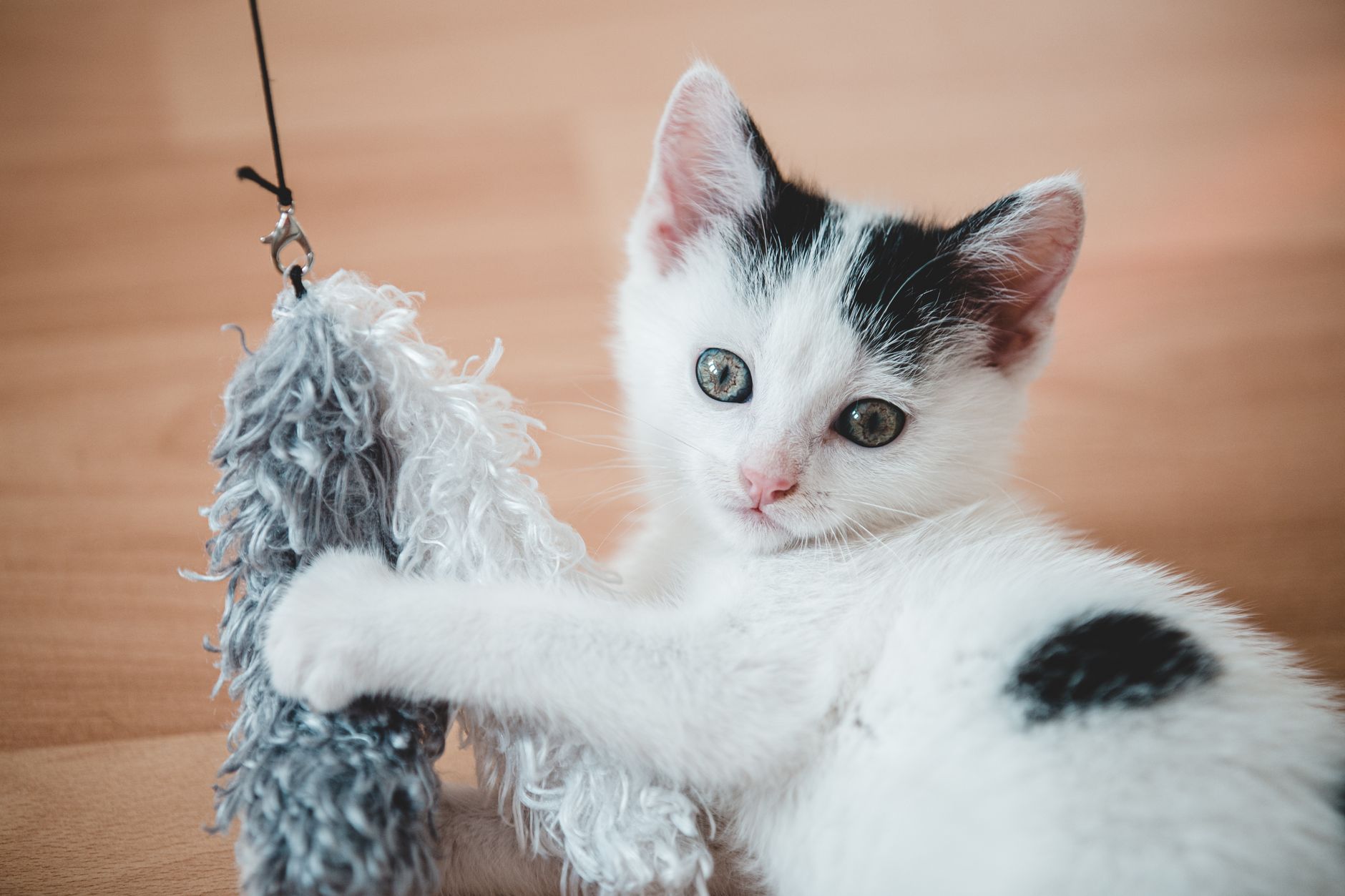
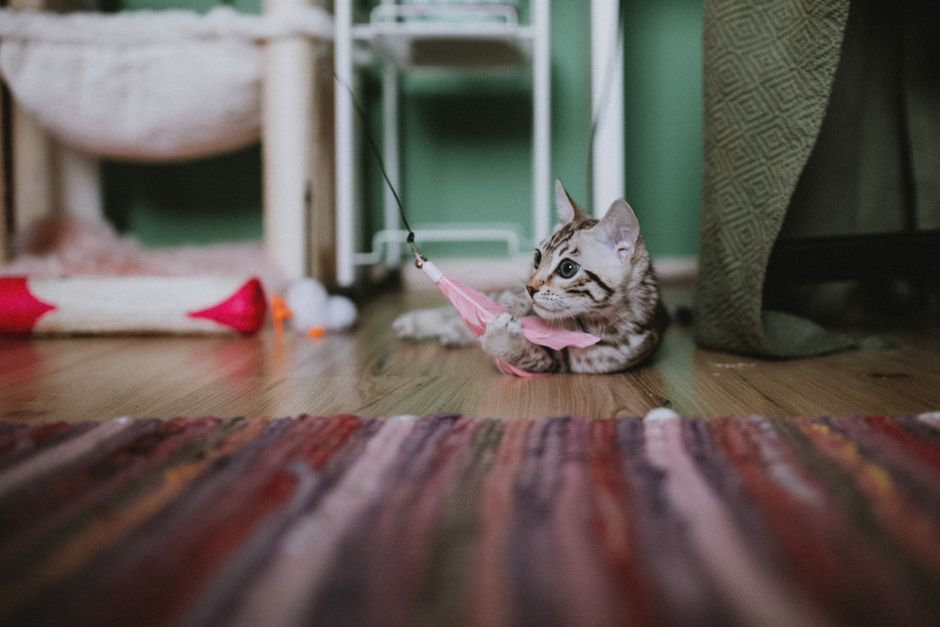
A tail that curves gently at the top like a question mark indicates a playful and curious mood. This is an excellent time to break out their favorite feather wand or catnip toy, as they are primed for active engagement.
The Twitching or Thumping Tail (Irritation or Overstimulation)
Unlike dogs, a wagging tail in cats is rarely a sign of joy. If the tail is twitching at the tip, or thumping heavily against the floor, your cat is experiencing growing frustration or overstimulation. If you are petting them when this starts, it is your cue to stop immediately and give them space.
The Tucked or Puffed-Up Tail (Fear or Aggression)
A tail tucked tightly between the hind legs indicates severe fear or submission. Conversely, a tail that is puffed up like a bottle brush—often accompanied by an arched back—means the cat is terrified and trying to make themselves look larger to ward off a perceived threat. Avoid touching a cat in this state, as they may react with defensive aggression.
Deciphering the Face: Eyes, Ears, and Whiskers
While the tail gives you the broad strokes, your cat's facial features provide the fine details of their emotional state.
The Slow Blink (Feline Love)
Have you ever caught your cat staring at you and slowly closing and opening their eyes? In the feline world, this is known as a "slow blink" or a "cat kiss." Because closing one's eyes in the presence of another animal requires immense trust, this gesture is the ultimate expression of love and safety. Try slow-blinking back to return the sentiment!
Ear Positions (Neutral, Alert, Flattened)
* Neutral/Forward: A relaxed, happy cat will have their ears pointing forward and slightly outward.
* Twitching/Alert: Ears pointing straight up and pivoting like radar dishes mean your cat is highly focused on a sound.
* Airplane Ears (Flattened): When ears are flattened sideways against the head (resembling airplane wings), your cat is frightened, angry, or highly defensive. Step back and let them calm down.
Whisker Alignment
Whiskers are not just for measuring tight spaces; they are highly sensitive sensory organs. Relaxed whiskers fan out gently to the sides of the face. An excited or hunting cat will thrust their whiskers forward. A frightened or stressed cat will pull their whiskers flat against their cheeks to protect them and make their face look smaller.
Vocalizations and What They Actually Mean
While cats communicate primarily through body language, their vocalizations add another rich layer of meaning to their behavior.
The Meow (Human-Only Communication)
Interestingly, adult cats rarely meow at other cats. Feline-to-feline communication relies almost entirely on scent and body cues. The meow is a behavior cats developed specifically to communicate with humans! Whether it is a high-pitched chirp for "hello," a demanding cry for food, or a plaintive mew of distress, your cat has likely trained you to respond to their specific vocal pitches.
Purring (Not Just for Happiness)
Most people associate purring with a content, sleeping cat. While this is usually true, veterinarians know that cats also purr to self-soothe when they are in pain, stressed, or frightened. The low-frequency vibration of a purr actually triggers the release of endorphins and can aid in physical healing. Always look at the surrounding body language to determine if a purr is joyful or stressful.
Hissing and Growling
This is an unambiguous warning. A hiss is an involuntary reflex triggered by sudden fear or surprise, whereas a growl is a deliberate warning to back off. Never punish a cat for hissing or growling; they are communicating their boundaries, and ignoring these warnings can lead to a bite.

Posture and Body Movements
How a cat carries their entire body tells a vivid story about their confidence and comfort levels.
The Belly Present (Trust, Not Always an Invitation)
It is a classic scenario: your cat rolls onto their back, exposing a soft, fluffy belly. You reach down to rub it, and chomp!—you are suddenly caught in a feline bear trap.
When a cat shows you their belly, it is a sign of ultimate trust. The abdomen houses all their vital organs, so exposing it means they feel completely safe around you. However, it is rarely an invitation for a belly rub. Most cats find belly touches threatening and will react defensively. Instead, acknowledge the trust by gently scratching their chin or forehead.
Arching the Back
An arched back can mean two very different things depending on the context. If the cat's fur is lying flat and they are stretching sleepily, it is a sign of relaxation. However, if the fur is standing on end (piloerection) and they are standing sideways, they are terrified and trying to look as intimidating as possible to a predator.
Rubbing and Scent Marking
When your cat rubs their cheeks, forehead, or body against your legs, furniture, or doorframes, they are "bunting." Cats have scent glands on their faces and flanks that release pheromones. By rubbing against you, they are marking you with their scent, claiming you as part of their safe, familiar family territory.
Practical Tips for Cat Owners
Now that you can read the basics of cat body language, how do you apply this to daily life? Here are a few actionable tips to keep your household harmonious:
1. Respect Their Boundaries: If your cat's tail starts twitching or their ears turn slightly back, stop what you are doing. Respecting their "no" builds immense trust over time.
2. Avoid Direct Eye Contact: In the feline world, a prolonged, unblinking stare is a challenge or threat. Use the slow-blink technique to show you mean no harm.
3. Create Safe Spaces: Ensure your cat has high perches and cozy hiding spots. When a cat feels overwhelmed, their natural instinct is to retreat. Let them go without chasing them.
4. Watch for Sudden Behavioral Changes: If a normally sweet cat suddenly becomes irritable, aggressive, or starts hiding constantly, this can be a primary indicator of physical pain or illness. Schedule a visit with your veterinarian right away.
Conclusion
Learning the nuances of cat body language and behavior takes time, patience, and close observation. By paying attention to the subtle dance of their tail, ears, eyes, and posture, you will move from simply owning a cat to truly understanding them. Your feline companion will reward your attentiveness with deeper trust, fewer behavioral issues, and a lifetime of loving companionship.