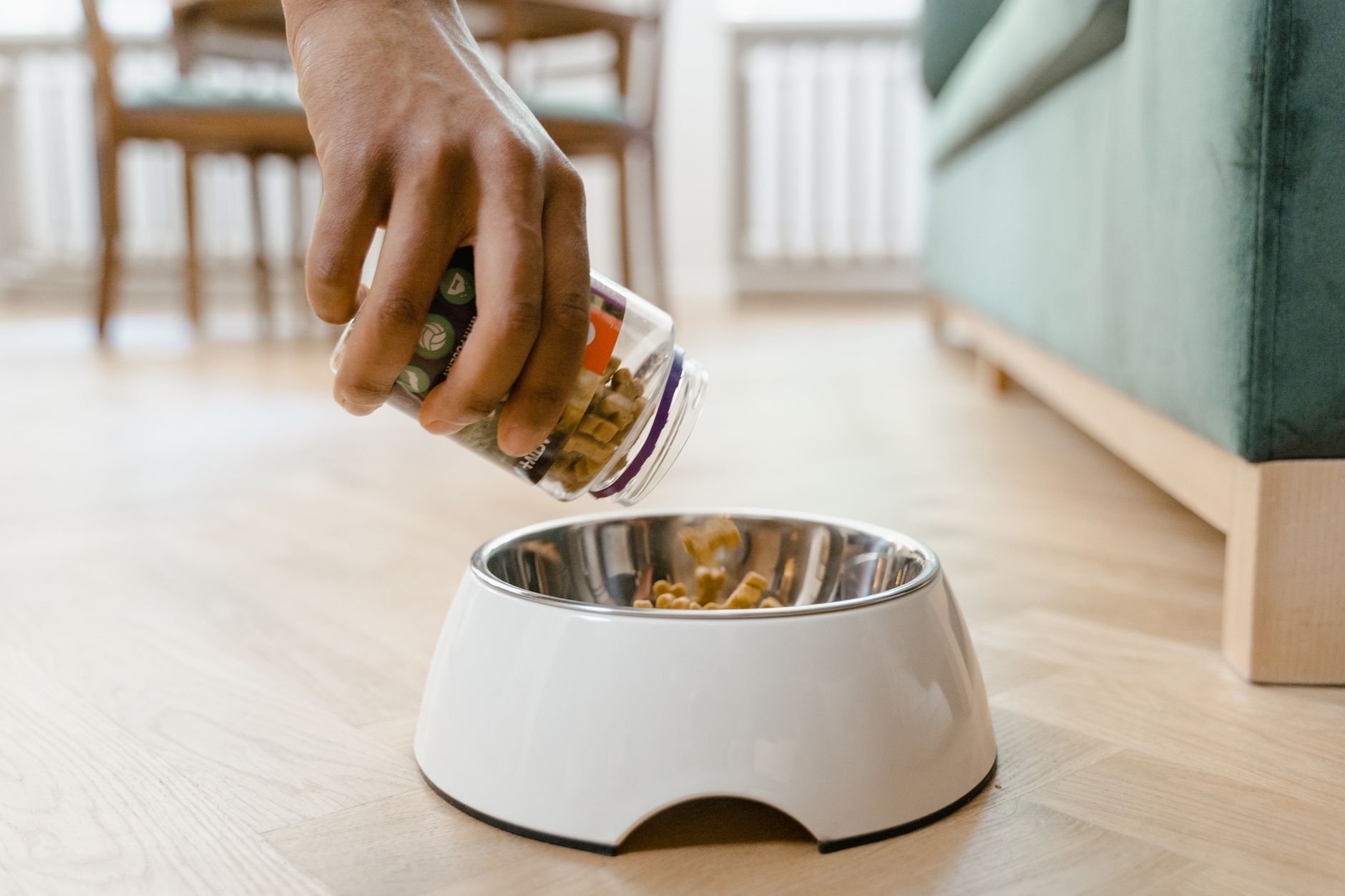
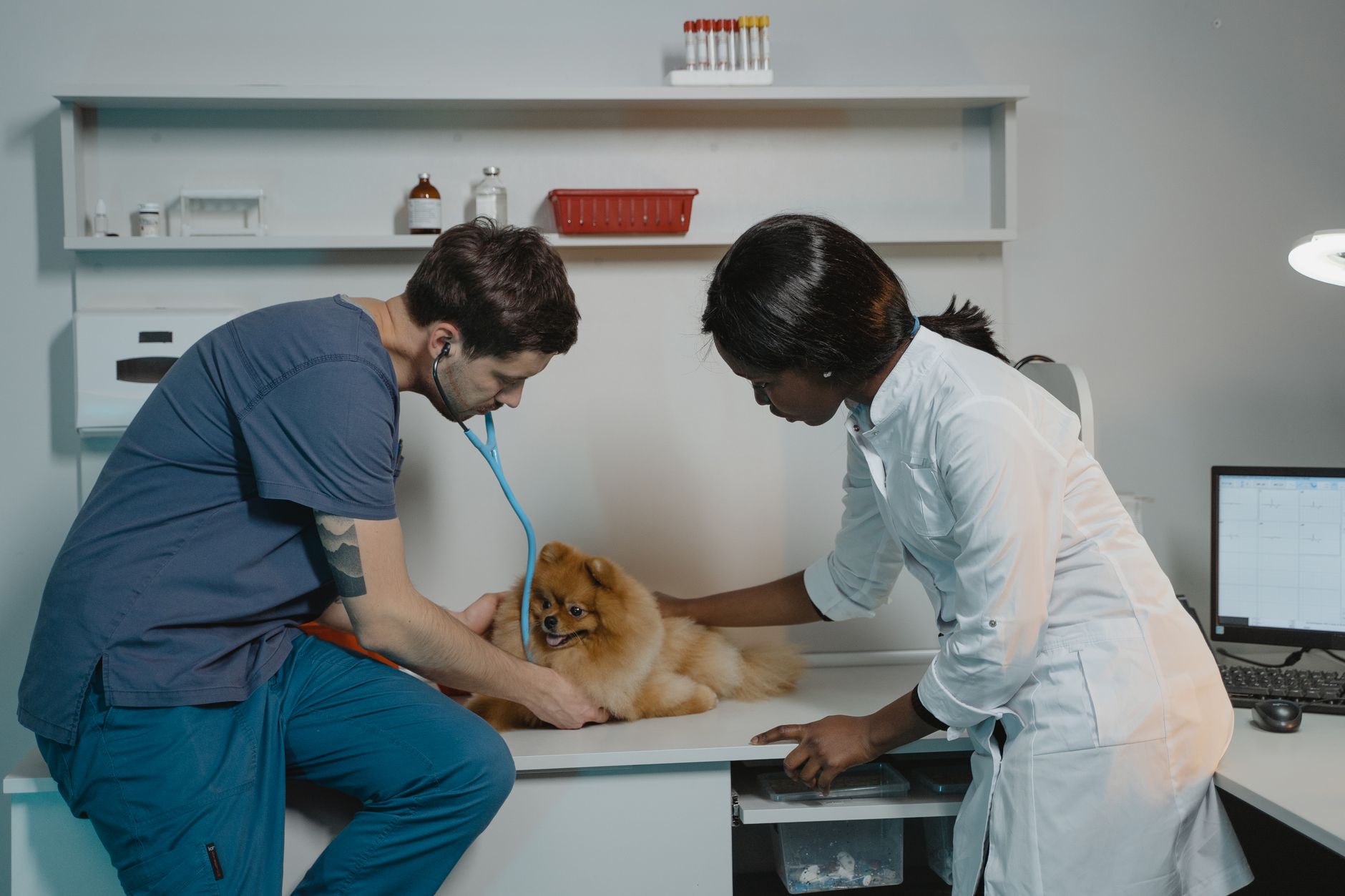
As a pet parent, walking down the pet food aisle can feel incredibly overwhelming. With hundreds of colorful bags, cans, and pouches screaming for your attention, how do you decide what is actually best for your furry family member?
The debate over dog and cat nutrition has intensified in recent years. Today, pet owners are no longer just choosing between brands; they are choosing between entirely different feeding philosophies: traditional dry kibble, moisture-rich wet food, and evolutionary raw diets.
In this comprehensive guide, we will break down the science behind dog and cat nutrition, weigh the pros and cons of wet food, dry food, and raw diets, and help you make an informed, vet-approved decision for your pet's long-term health.
Understanding the Basics of Dog and Cat Nutrition
Before we compare food types, it is crucial to understand that dogs and cats have fundamentally different biological and nutritional requirements.
Cats are obligate carnivores. This means their bodies are anatomically and physiologically designed to process meat. They require specific, meat-derived nutrients that they cannot synthesize on their own, such as taurine, arachidonic acid, and preformed Vitamin A. Furthermore, cats have a naturally low thirst drive. In the wild, they obtain almost all of their hydration directly from their prey.
Dogs, on the other hand, are facultative carnivores (often classified as omnivores). While they thrive on animal proteins, they possess the enzymes necessary to break down and utilize carbohydrates, grains, fruits, and vegetables for energy.
Regardless of which diet type you choose, the primary goal is to ensure the food is "complete and balanced." This means it meets the nutritional profiles established by regulatory bodies like the Association of American Feed Control Officials (AAFCO), providing all essential vitamins, minerals, and amino acids in the correct ratios for your pet's life stage.
Wet Food: Hydration and Palatability
Wet pet food—typically sold in cans, pouches, or trays—is highly popular among pets due to its rich aroma and meaty texture. It generally consists of cooked meats, grains or vegetables, and a high proportion of water (usually between 70% and 80%).
The Pros of Wet Food
* Superior Hydration: This is the single biggest benefit of wet food, especially for cats. Because cats do not drink water readily, a diet of wet food helps maintain optimal hydration, drastically reducing the risk of feline lower urinary tract diseases (FLUTD), bladder stones, and chronic kidney disease.
* High Palatability: Wet food smells and tastes much stronger than kibble. This makes it an excellent choice for picky eaters, senior pets with a declining sense of smell, or sick animals with a reduced appetite.
* Weight Management: Due to the high water content, wet food is less calorically dense than dry food. Pets can eat a larger, more satisfying volume of food without consuming excess calories, making weight management easier.
* Easy to Chew: For pets with dental pain, missing teeth, or misaligned jaws, the soft texture of wet food is much easier to manage.
The Cons of Wet Food
* Higher Cost: On a per-meal basis, wet food is significantly more expensive than dry kibble, which can make it cost-prohibitive for owners of large-breed dogs.
* Convenience and Shelf-Life: Once a can of wet food is opened, it cannot sit in a bowl for more than a few hours before bacteria begin to multiply. Unused portions must be covered, refrigerated, and used within two to three days.
* No Dental Scraping: Wet food lacks the physical texture needed to provide any mechanical cleaning action for the teeth.
Dry Food: Convenience and Dental Health
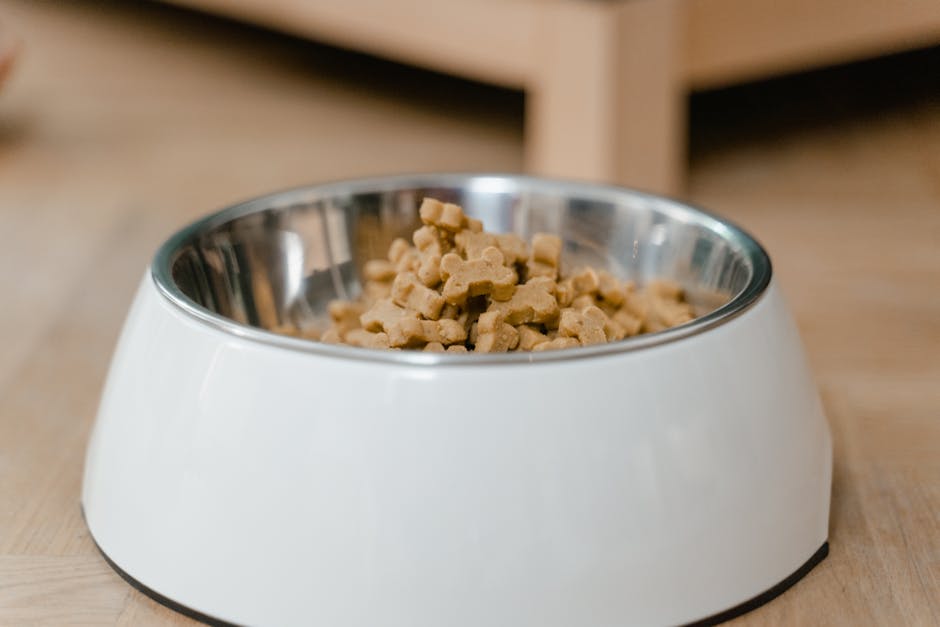
Dry food, or kibble, is the most widely fed pet food in the world. It is manufactured through a process called extrusion, where ingredients are mixed, cooked under high pressure, pushed through a die to create shapes, and then dried.

The Pros of Dry Food
* Unmatched Convenience: Kibble is highly shelf-stable. It can be left out in a bowl for "free feeding" (though measured portion feeding is always recommended to prevent obesity) and is incredibly easy to store and travel with.
* Cost-Effectiveness: Dry food is by far the most budget-friendly option. Buying kibble in bulk is highly economical, especially for multi-pet households.
* Mild Dental Benefits: The crunchy texture of some veterinary-formulated dental kibbles can help mechanically scrape away plaque and tartar as the pet chews. However, standard kibble is not a replacement for regular brushing.
* Caloric Density: For highly active working dogs or pets struggling to maintain weight, the high caloric density of kibble is highly efficient.
The Cons of Dry Food
* Dehydration Risk: Kibble contains only about 10% moisture. Cats fed an exclusively dry diet live in a state of mild, chronic dehydration, which can put a heavy strain on their kidneys and urinary tract over time.
* Higher Carbohydrate Content: To make kibble stick together, manufacturers must use starches (such as grains, potatoes, or peas). This can result in a higher carbohydrate load, which may contribute to feline diabetes and canine obesity if portions are not strictly managed.
The Raw Diet: Ancestral Nutrition or Safety Risk?
The raw food diet, often referred to as BARF (Biologically Appropriate Raw Food) or RMBD (Raw Meat-Based Diet), aims to mimic what wild ancestors ate. It typically consists of raw muscle meat, organ meats, ground bones, and sometimes pet-safe fruits and vegetables.
The Pros of Raw Feeding
* Improved Digestion and Stool Quality: Many owners who switch to raw feeding report that their pets produce smaller, firmer, and significantly less odorous stools because the nutrients are highly bioavailable and easily digested.
* Shinier Coats and Healthier Skin: The natural fats and oils in raw meat can lead to a highly lustrous coat and can help alleviate some food-related skin allergies.
* Intact Nutrients: Because raw food is not subjected to high-heat processing, natural enzymes, vitamins, and minerals remain completely intact.
The Cons of Raw Feeding
* Pathogen Risk (Salmonella, E. coli): This is the primary concern of veterinary associations worldwide. Raw meat can harbor dangerous pathogens that pose a health risk not only to your pet but also to human household members (especially children, the elderly, or those with compromised immune systems) through food handling or contact with pet saliva and feces.
* Nutritional Imbalances: Formulating a balanced raw diet at home is incredibly difficult. Without precise ratios of calcium, phosphorus, zinc, and other trace minerals, pets—especially growing puppies and kittens—can develop severe, irreversible bone and metabolic diseases.
* Physical Hazard: Whole raw bones can cause fractured teeth, choking, or life-threatening gastrointestinal obstructions and perforations.
Wet vs. Dry vs. Raw: Which is Best for Your Pet?
To help you visualize how these three popular feeding methods compare, take a look at the quick breakdown below:
| Feature | Wet Food | Dry Food | Raw Diet |
|---|---|---|---|
| Moisture Content | High (70-80%) | Low (~10%) | Moderate-High (60-70%) |
| Convenience | Moderate | High | Low |
| Cost | Moderate to High | Low to Moderate | High |
| Pathogen Risk | Very Low (Sterile) | Very Low (Sterile) | Moderate to High |
For most cats, veterinarians strongly recommend incorporating at least some wet food into their daily routine to safeguard their renal and urinary systems.
For dogs, a high-quality dry kibble supplemented with wet food toppers or fresh, cooked ingredients often provides the perfect compromise: convenient, affordable, and rich in moisture.
If you are committed to feeding a raw diet, please avoid untested DIY recipes found online. Instead, choose commercially prepared raw foods that have been formulated by a board-certified veterinary nutritionist and utilize High-Pressure Processing (HPP) to eliminate harmful pathogens.
How to Make a Safe Dietary Transition
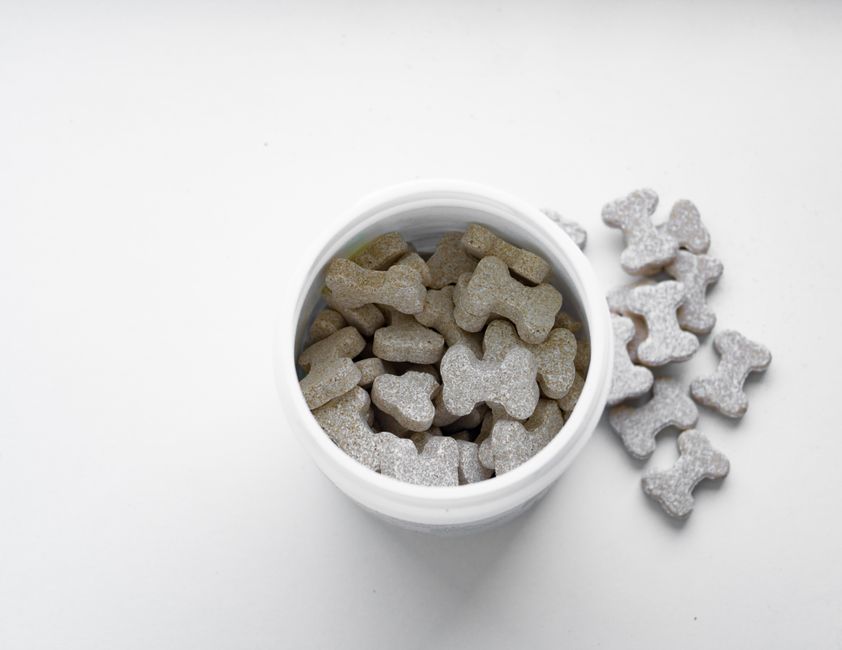
If you decide to change your pet's diet, never do so abruptly. Switching foods overnight can shock your pet's gastrointestinal tract, causing severe vomiting, diarrhea, or food aversion.
Instead, transition your pet gradually over a period of 7 to 10 days using this step-by-step ratio:
* Days 1–3: 75% old food, 25% new food
* Days 4–6: 50% old food, 50% new food
* Days 7–9: 25% old food, 75% new food
* Day 10: 100% new food
During this transition, closely monitor your pet’s energy levels, stool consistency, and appetite. If you notice any signs of digestive upset, slow down the process and consult your veterinarian.
Conclusion
There is no single "perfect" diet that fits every dog or cat. The best choice is one that is complete and balanced, matches your pet’s specific life stage and health needs, fits your daily routine, and aligns with your budget.
Before making any major changes to your pet’s bowl, schedule a consultation with your family veterinarian. They can assess your pet's current body condition score, run routine lab work, and help you tailor a nutritional plan that will keep your companion happy and healthy for years to come.